I am a credit card skimming attack victim. It happened about eight weeks ago, and to this day, we’re still dealing with the repercussions. This is a true story. (Although I did substitute a few facts to protect the innocent.) And yes, while I work for Feroot, and this is appearing in our blog, I think it is important that cybersecurity professionals hear first hand from a card skimming attack victim—someone who is like every other customer that their business supports.
For application security, the shift left strategy is something that every enterprise is embracing today, which essentially means putting the security controls in earlier stages of development. This is more like a “nipping the problem in the bud” strategy where the security controls in their respective domains highlight the potential security weaknesses related to vulnerabilities in code, vulnerabilities in third-party packages and code quality issues.
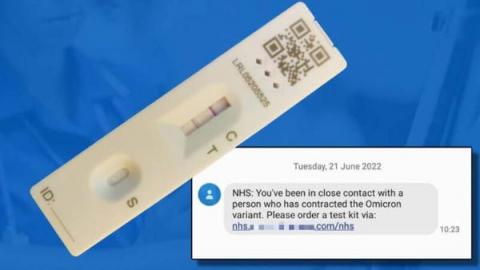
The UK’s National Health Service (NHS) has warned the public about a spate of fake messages, sent out as SMS text messages, fraudulently telling recipients that they have been exposed to the Omicron variant of COVID-19. In a tweet, the NHS said that it had seen reports of text messages that claimed to come from the NHS, telling recipients that they had been in close contact with someone who had a confirmed COVID-19 infection, and that they should order a testing kit.
Cybersecurity has become an important topic for the defense supply chain. The ever-increasing number of digital channels that data can be exchanged through, has exponentially increased the risk of data breaches and leaks. This puts a lot of pressure on these organizations to ensure that the risks associated with the handling of sensitive data are as low as possible.
The world is becoming more digital with each passing day. Many companies are trying to transition to an online or to a hybrid system, where they can offer flexibility and autonomy to employees and have a more efficient way of managing their day-to-day operations. The digital transformation to the online world requires businesses to invest in cloud computing and cloud security software.
The Chinese government took down over 2 million applications from Chinese app stores in just two years (2018-2020)! Now, the government has revised and published stricter cybersecurity updates or provisions for mobile app development, which will go into effect from August 1st, 2022. Why is this happening, and what does the new policy say? Also, how does it affect the developers within China? If you have these questions on your mind, this blog is for you.
If you read the news, you already know that we’re seeing a huge uptick in mergers and acquisitions (M&A). Global M&A volumes hit a record high in 2021—increasing by 64% over the previous year and topping $5 trillion for the first time ever. This activity continues to surge in 2022 as companies use M&A to manage the still-unpredictable economic effects of the COVID-19 pandemic and find their strategic footing.
Navigating the internet in 2022 is more dangerous than ever for Australian netizens. The risks to the privacy of Australian customers are at an all-time high, as the nation has reported the highest percentage of mobile threats globally, standing at 26.9%. The average Australian netizen uses web-based mobile apps to browse, entertain, communicate, and shop online.
The market for cybersecurity solutions is changing, but the way vendors sell security products seems stuck in the past. There’s a lot that can be said about this, but here we want to raise an issue that isn’t talked about enough: Is cybersecurity sales culture, itself, bad for cybersecurity?