1Password Developer Tools Walkthrough
In this video, 1Password senior engineer Floris van der Grinten provides a practical demo of how 1Password Developer Tools can be used to simplify and secure developer workflows.

Like their larger counterparts, small- and medium-sized businesses (SMBs) are moving swiftly to migrate IT workloads to the cloud, hoping to slash operating costs, eliminate technical debt, and accelerate digital transformation projects. However, cloud migration security risks are often poorly understood at the outset or overlooked entirely.
Cloud technology is a booming sector in today’s digital world. The business environment is trying to make the most of it from cloud-based platforms. With pandemics striking the globe, cloud applications have come to rescue business operations from remote locations. It improves connectivity and accessibility irrespective of the location. However, every technology has its advantages as well as disadvantages.
A selection of this week’s more interesting vulnerability disclosures and cyber security news. For a daily selection see our twitter feed at #ionCube24. Some news on the huge breach at Capital One. Will anything be learnt?
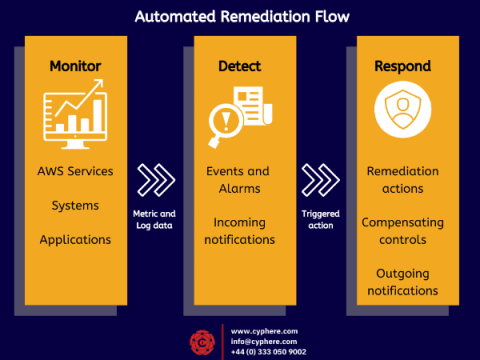
Using security best practices helps businesses establish a security baseline and protect their AWS infrastructure from potential risks. By implementing these practices, companies can reduce the likelihood of data breaches, leaks, and other threats. Additionally, using security best practices can help businesses detect and respond to threats more quickly and effectively.
Check out this IT security checklist to make sure your company is safe from cyberattacks including sensitive data. Included are tips for setting up firewalls, remote access, mobile devices, encrypting data, and creating passwords that are tough to crack.
I am a credit card skimming attack victim. It happened about eight weeks ago, and to this day, we’re still dealing with the repercussions. This is a true story. (Although I did substitute a few facts to protect the innocent.) And yes, while I work for Feroot, and this is appearing in our blog, I think it is important that cybersecurity professionals hear first hand from a card skimming attack victim—someone who is like every other customer that their business supports.
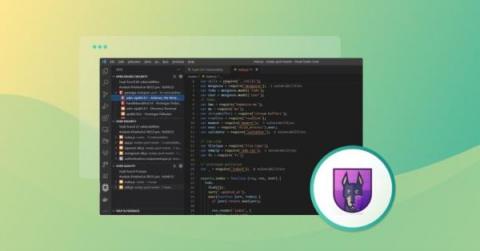
For application security, the shift left strategy is something that every enterprise is embracing today, which essentially means putting the security controls in earlier stages of development. This is more like a “nipping the problem in the bud” strategy where the security controls in their respective domains highlight the potential security weaknesses related to vulnerabilities in code, vulnerabilities in third-party packages and code quality issues.
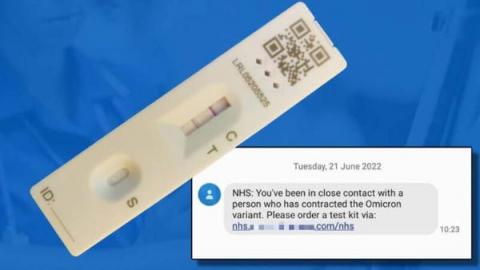
The UK’s National Health Service (NHS) has warned the public about a spate of fake messages, sent out as SMS text messages, fraudulently telling recipients that they have been exposed to the Omicron variant of COVID-19. In a tweet, the NHS said that it had seen reports of text messages that claimed to come from the NHS, telling recipients that they had been in close contact with someone who had a confirmed COVID-19 infection, and that they should order a testing kit.
Cybersecurity has become an important topic for the defense supply chain. The ever-increasing number of digital channels that data can be exchanged through, has exponentially increased the risk of data breaches and leaks. This puts a lot of pressure on these organizations to ensure that the risks associated with the handling of sensitive data are as low as possible.