No, it is not safe to use unsecured WiFi in hotels. Using any public WiFi network presents a risk to your private information and security. There are many threats that you become vulnerable to on unsecured hotel WiFi such as a man-the-middle attack or malware. Read on to learn more about the risks of using unsecured WiFi in hotels and how you can stay safe if you can’t avoid using it.
Insider risks are threats that already have access to an organization’s sensitive information. They are people who have physical access to the organization’s buildings and credentials to sign-on to the network. But maybe more importantly, they’re familiar with the organization’s processes, they speak the company lingo, and they know where the important assets reside.
The content of this post is solely the responsibility of the author. AT&T does not adopt or endorse any of the views, positions, or information provided by the author in this article. Identity and access management has emerged as an essential security element for organizations. A study reveals that 80% of global IT decision-makers have already adopted or are planning to adopt an IAM solution in the upcoming years.
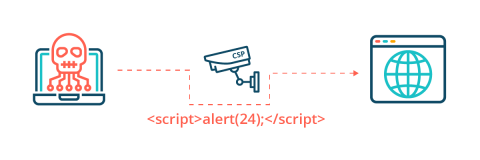
In this article, we’ll look at Content Security Policy through the eyes of a penetration tester. We will outline the advantages of CSP, explain why you should have it on your site, and share some common misconfigurations that can be exploited, along with the relevant bypass scenarios. What is Content Security Policy?
Coming off a rough and wild end to 2021 with Log4Shell in all our minds, Snyk jumped out of the gates quickly and began providing the AppSec world with new capabilities that did not disappoint. In this blog, you can review most of the key investments we made in 2022 to improve performance, add new ecosystems, and support the enterprise.