Netwrix Usercube: Managing Role Reconciliation
This video demonstrates how to manage role reconciliation with the Netwrix Usercube identity governance and administration (IGA) solution.

Kubernetes is an open source orchestration platform for containerized workflows. It is the best way to manage – or orchestrate – large clusters of containers at scale. Sometimes abbreviated as K8s, Kubernetes helps you efficiently manage clusters of hosts running Linux containers. In the age of containers, Kubernetes has become a popular open source project and key building block for modern tech infrastructure.
A selection of this week’s more interesting vulnerability disclosures and cyber security news. For a daily selection see our twitter feed at #ionCube24. An unfortunate (aren’t they all?) breach at Acer. With the the UEFI rootkit discovery last week, I wonder if they were poking around for another vendor implementation?
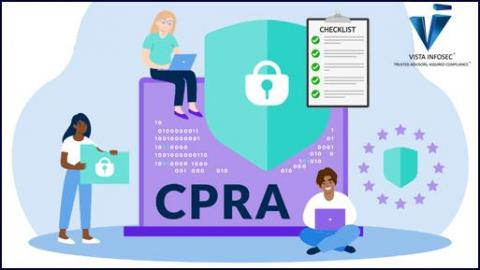
California Consumer Privacy Act is a data privacy regulation introduced to protect the privacy of personal data and uphold the rights of consumers. So, it is an obligation for organizations to achieve and maintain CCPA Compliance if they are dealing with the personal data of citizens of California. However, now CCPA will soon be replaced with the latest version which is known as the California Privacy Right Act (CPRA).
National Australia Bank has completed an intra-bank, cross-border transaction using NAB-issued stablecoins. This represents a world-first by a major financial institution on a layer-one public blockchain (Ethereum). The pilot transaction involved the deployment of stablecoin smart contracts for 7 major global currencies, namely Australian, New Zealand, Singapore and US dollars, Euro, Yen, and Pound Sterling.
A few weeks ago, we had the pleasure of exchanging with Ezequiel Rabinovich, Lemontech's CTO, about how his teams use GitGuardian to protect their secrets.