1Password presents: Phishing prevention

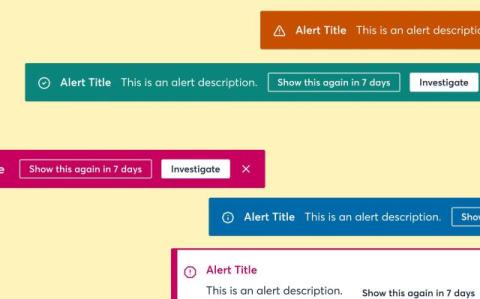
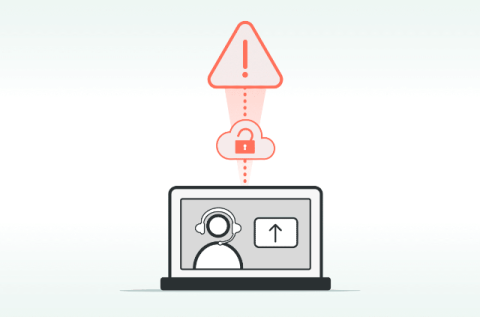
AI-powered scams are making phishing attacks harder to spot than ever. In this demo, see how 1Password’s phishing prevention feature helps stop users before they share credentials with fraudulent websites. When a site’s URL doesn’t match a saved login, 1Password won’t autofill. Now, when a user tries to paste their credentials anyway, a warning prompts them to pause and take a closer look. This added layer of protection acts as a second pair of eyes at the moment it matters most.

Seemplicity Year in Review: Turning a Year of Security Data in Actionable Risk Insight

Seemplicity’s Year in Review is a product feature that provides each customer with a year-end view of how risk and exposure moved through their own environment. This post walks through the metrics included in the latest experience and what they help teams reflect on as they refine their exposure management processes.

As AI supercharges phishing scams, 1Password introduces built-in protection

Phishing attacks are everywhere these days. People encounter them while shopping, job hunting, reading work emails, and checking personal texts. Thanks to AI-powered scammers, phishing has become both more common and harder to spot, leading to disastrous consequences. A phishing attack on a business costs an average of $4.8 million, and attacks on individuals can drain bank accounts and wreck credit scores.

Your API Is the New Titanic (Iceberg Already Here) #apisecurity #cybersecurity #riskmanagement #api

The Titanic didn't hit the iceberg by accident. Organizations hit the API security iceberg for the same reason: they didn't see it coming. Your API iceberg consists of: Public APIs — for customers (SaaS, partners, third-parties) Private APIs — internal infrastructure (larger companies = larger insider threat surface) Partner APIs — for ecosystem integration AI APIs — the new frontier (and the most dangerous)

Inside the Rise of Clone Phishing and CAPTCHA-Based Social Engineering

In our previous two posts, The ABC’s of Ishing and From Lure to Breach, we broke down the foundational tactics used by cybercriminals to deceive users and gain unauthorized access. This follow-up report expands on that foundation by exploring three evolving phishing threats that go beyond traditional email lures: clone phishing, deepfake phishing, and Captcha phishing.

Complete Microsoft 365 Resilience Guide: The MSP's Guide to Identity, Data Governance, and Recovery

Walk into any business today and you’ll find Microsoft 365 quietly running everything that matters. It’s the unseen infrastructure behind emails, meetings, documents, and decisions. From a five-person consultancy to...

Service Advisory: What Recent Remote Access Disruptions Remind Us About Security Evolution

Security incidents and service disruptions are never simple. They are rarely the result of a single mistake, and they don’t only happen to organizations that “did something wrong.” In reality, many of the most capable, well-resourced companies experience them precisely because they operate at scale, under constant pressure, and within complex, interconnected environments.