AI Guardrails: The Layer Between Your Model and a Mistake

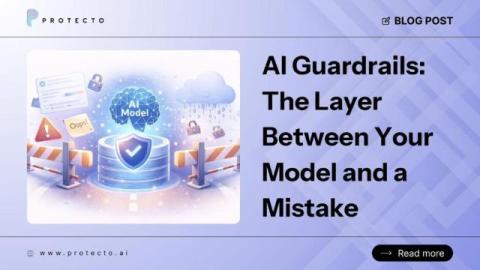
An AI guardrail failure doesn’t come with a warning. One minute, a response goes out. Next minute, it’s a screenshot in the wrong hands, and the question isn’t how it happened. It’s why nobody had defined what the model was allowed to do in the first place. Most teams never asked what the model was actually permitted to do. Deployment happens fast. AI data privacy and leakage prevention aren’t configuration tasks.

Baking accessibility into our product foundation

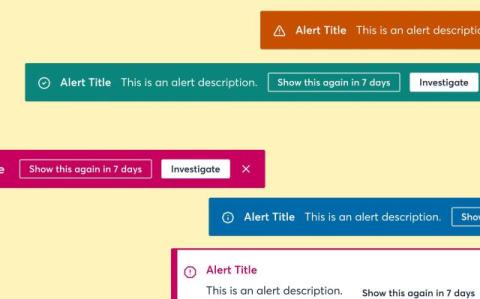
TL;DR: Building for everyone, faster. We’re moving from the why to the how. To scale accessibility without losing speed, we’ve overhauled our foundation: In our previous post, we explored why accessibility is a non-negotiable for modern cybersecurity. But moving from philosophy to practice required a fundamental shift in our toolkit.

AI Security Best Practices: The Complete Guide

Artificial intelligence has moved from pilot project to core enterprise infrastructure faster than most security programs can adapt. AI is automating workflows, surfacing insights from complex datasets, and changing how work gets done across every function. But with that acceleration comes a new and expanding attack surface that most organizations are only beginning to understand.

Synthetic Data for AI: 5 Reasons It Fails in Production

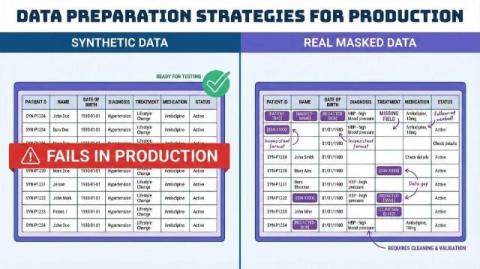
Synthetic data for AI development has become the default shortcut for most engineering teams. It’s fast, sidesteps privacy headaches, and lets you move without touching production. I get why teams default to it. But there’s a problem: synthetic data for AI routinely breaks down the moment your system hits real-world enterprise data. The system demos great. It passes every internal test. Then it lands in production and falls apart in ways you didn’t see coming.

Joiners, Movers, and Leavers (JML): What It Is, & Why It Matters

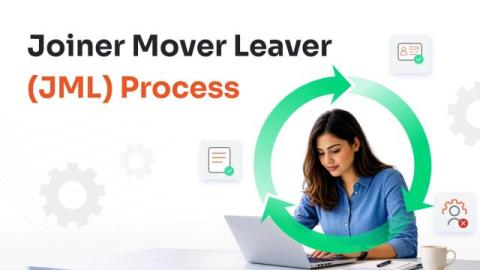
Modern organizations frequently onboard new employees, manage internal role changes, and handle departures across multiple business applications. Without a structured identity lifecycle, access requests become manual, inconsistent, and difficult to track. This directly affects security, operational efficiency, and audit readiness. A defined JML process in IAM ensures that the right users receive the right access at the right time while reducing administrative overhead.

Technology Driven Inventory Control in Factory Operations

Factories are changing fast with new digital tools. Managing parts and products used to be a manual headache for many teams. Now smart systems track every item from the moment it arrives. This shift helps floors run more smoothly without the old paperwork.

Recovery-Ready: Building Business Resilience Through Continuity-Focused Cyber Defenses

Most businesses do not think about cybersecurity until something goes wrong. A system suddenly goes offline, files become inaccessible, or suspicious activity appears in the network. These moments are disruptive, but they are also revealing. They show how prepared, or unprepared, a business really is when operations are put under pressure.

Proactive Threat Detection: Securing Business Data Before It Becomes a Business Risk

Cybersecurity is no longer something businesses can afford to think about later. Most companies only realize the importance of strong protection after an issue disrupts operations, whether it is lost data, system downtime, or a security breach that affects clients. By then, the damage has already been done.