Many enterprises in verticals such as power and energy, oil and gas, healthcare, and manufacturing have been playing catch up over the past decade in terms of securing their operational technology (OT) networks against cyberattacks. For years, industrial asset owners didn’t consider their OT environment to be a significant security risk.
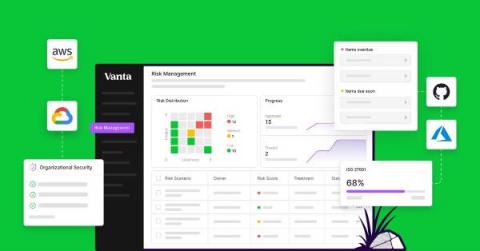
When you start pursuing compliance for a particular security standard, you do it with a specific goal in mind. Maybe you’re pursuing compliance because it’s a legal requirement in your industry or because a prospective customer requires it. But what happens after you achieve that initial SOC 2 or ISO 27001? It’s easy to get caught up in checking the boxes and lose sight of the why behind your security and compliance work.
The White House’s ambitious national cyber strategy— which represents a shift away from decades-old voluntary compliance guidelines to a more aggressive regulatory approach of critical infrastructure firms—couldn’t come at a better time. A recent study found that local governments were the organizations least capable of disrupting ransomware attacks, and that they were also among the ransomware victims to pay ransoms most frequently (43% paid a ransom after an incident).
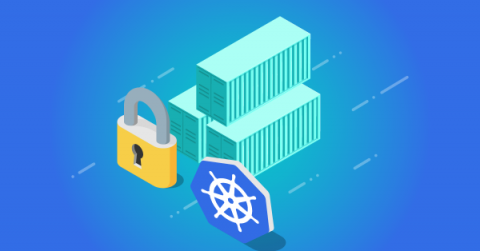
As more organizations embrace containerization and adopt Kubernetes, they reap the benefits of platform scalability, application portability, and optimized infrastructure utilization. However, with this shift comes a new set of security challenges related to enabling connectivity for applications in heterogeneous environments.
A cyberattack is an attack on computers, networks or systems by cybercriminals in an attempt to steal or access sensitive information. The information stolen during an attack can also open the door to other types of cyberattacks such as social engineering scams. Continue reading to learn more about cyberattacks and what you can do to protect yourself against them, both in your personal life and at your workplace.
CISA and its counterparts around the world have published new guidance advising technology manufacturers to prioritize Secure-by-Design and Secure-by-Default in all product design and development processes, and urging customers to hold them accountable for doing so.
Researchers at the Lookout Threat Lab have discovered a new Android surveillance tool which we attribute with moderate confidence to the Law Enforcement Command of the Islamic Republic of Iran (FARAJA). Named BouldSpy for the “BoulderApplication” class which configures the tool’s command and control (C2), we have been tracking the spyware since March 2020.