Snyk Security Intelligence: Snyk Code Knowledge Base
Learn how Snyk security researchers build our cutting-edge Snyk Code knowledge base using a combination of AI, machine learning, and security expertise.

Verizon's DBIR always has a lot of information to unpack, so I’ll continue my review by covering how stolen credentials play a role in attacks. This year's Data Breach Investigations Report has nearly 1 million incidents in their data set, making it the most statistically relevant set of report data anywhere. So, what does the report say about the most common threat actions that are involved in data breaches?
If you’re shopping around for a way to stop bots damaging your brand – be that through enabling automated fraud, hoarding your stock, scraping your content or prices, or just eating up server resources – you’ve probably seen vendors advocating the use of “client-side detection”. They’re probably telling you it’s necessary for accurate bot detection.
DigiCert is a reputable Certificate Authority (CA) that offers code signing certificates for ensuring software application integrity and security. Whether you are a developer looking to order a new code signing certificate or an existing certificate holder seeking to renew, DigiCert provides a seamless process to meet your needs. This article will guide you through the seamless steps of ordering or renewing your DigiCert code signing certificate.
Verizon's 2023 DBIR shows trends for incidents and breaches from the last year. Read our recap to see how credential leakage is helping malicious actors gain entry.
The purpose of the Netskope Threat Labs News Roundup series is to provide enterprise security teams an actionable brief on the top cybersecurity news from around the world. The brief includes summaries and links to the top news items spanning cloud-enabled threats, malware, and ransomware.
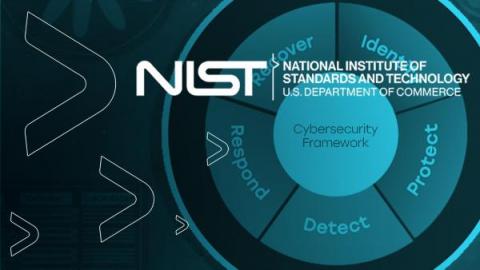
The National Institute of Standards and Technology’s (NIST) Cybersecurity Framework (CSF) is undergoing a major update. The NIST CSF is one of the most widely used frameworks to help organizations understand and manage their cybersecurity risks. The NIST CSF was released as version 1.0 in 2014, updated to version 1.1 in 2018, and will be updated to version 2.0 early next year. NIST recently released a draft of CSF version 2.0.