
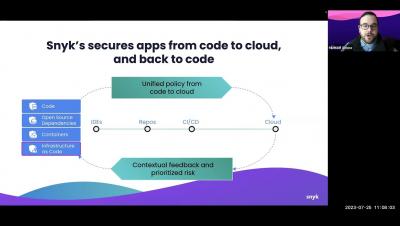

2023 Ransomware Awareness Month Resource Kit
Erich Kron, Security Awareness Advocate at KnowBe4, discusses the threat of ransomware and what you can do to prevent an attack in your organization.

Enhancing the Capabilities of National Cyber Agencies
In today’s interconnected digital landscape, cyber threats have become more and more sophisticated and prevalent, posing a huge risk to individuals, organizations, and even nations. To understand and stop these evolving threats effectively, cybersecurity agencies rely on advanced tools and technologies. One such tool is Threat Intelligence Platforms (TIPs), which play a crucial role in enhancing the capabilities of these agencies.
Connect any app to Vanta with Private Integrations
We’re thrilled to announce the launch of Private Integrations today, enabling Vanta customers to easily connect their in-house or third-party applications to Vanta’s Trust Management platform. With Private Integrations, in-house systems that need compliance controls can now be managed with the same level of automation as any third-party application available in Vanta’s integration directory.
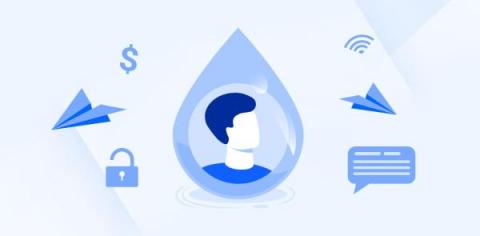
How To Find Out If Your Information Is Leaked Online And What To Do About It
In today's digital age, it's becoming increasingly common for personal information to be leaked online. With the growing number of data breaches and hacking incidents, protecting your personal information is crucial. But how can you tell if your information has been compromised in a data breach? And what should you do if you find out that it has? This article will give tips on checking if your personal information has been exposed online and what actions they should take during a data breach.
Building the SOC of the Future
The current model of the security operations center (SOC) is in need of change. In this post, we’ll discuss why that is the case, what changes are needed, and how a new approach—the SecOps Cloud Platform—can solve challenges for security teams and organizations.

What Is NISPOM?
The National Industrial Security Program (NISP), the authority within the United States for access to classified data by government contractors. Have outlined requirements to ensure continued availability and integrity of classified data, and prevent its unauthorised disclosure. The operating manual (NISPOM) affects all government agencies and commercial contractors who have access to classified data.

CISO to BISO - What's your next role?
For the longest time within the cybersecurity industry, we have had Chief Information Security Officers (CISOs) whose role is to set the strategic direction for Information Security within an organisation. But what are the stepping stones to becoming a CISO? In the past, this has been a difficult question to answer, but typically the CISO is someone who moved up through the ranks in IT and developed additional knowledge and skills related to data protection, privacy and risk management.

So, what is the difference between SIEM and SOAR?
We sat down with Matilda, our UK Sales Manager, to breakdown where these technologies differ and how they enable our SOC team to focus on the alerts that matter…
Bypassing Endpoint Security
CISO Global's panel of experts discuss the importance of mitigating risk with an 'assume breach' security position.