The 2021 Log4Shell incident cast a bright light on open source software security — and especially on supply chain security. The 18 months following the incident brought a greater focus on open source software security than at any time in history. Organizations like the OpenSSF, AlphaOmega, and large technology companies are putting considerable resources towards tooling and education. But is open source software security actually improving? And where are efforts still falling short?
When working with security teams and application security analysts, the new world of low-code/no-code development presents new questions that invariably begin with ‘where do we start?’ With so many new applications, automations, and more that are introduced to the corporate environment, it can seem like an endless pit of concerns about data flows, user permissions and potential security risks introducing my organization that need to be analyzed and brought under management.
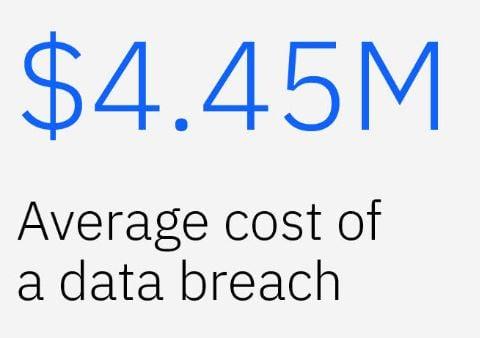
IBM Security has released its annual Cost of a Data Breach Report, revealing that the global average cost of a data breach reached $4.45 million in 2023. This marks a significant increase of 15% over the past 3 years, making it the highest recorded cost in the history of the report. Notably, detection and escalation costs have seen a substantial rise of 42% during the same period, indicating a shift towards more complex breach investigations.
Reducing vulnerabilities in your software means manual and automated secure code reviews. Download our handy cheat sheet to keep your review practice on track.