EP 58 - Trust and Resilience in the Wake of CrowdStrike's Black Swan

In this episode of Trust Issues, we dig into the recent the global IT outage caused by a CrowdStrike software update, which impacted millions of Microsoft Windows endpoints and disrupted many sectors. This “black swan” event highlights, among other things, the importance of preparedness, adaptability and robust crisis management.

Next-Gen Vulnerability Assessment: AWS Bedrock Claude in CVE Data Classification

Large language models are fascinating tools for cybersecurity. They can analyze large quantities of text and are excellent for data extraction. One application is researching and analyzing vulnerability data, specifically Common Vulnerabilities and Exposures (CVE) information. As an application security company with roots in open source software vulnerability detection and remediation, the research team at Mend.io found this a particularly relevant area of exploration.

Don't RegreSSH: An Anti-Pavlovian Approach to Celebrity Vulns

Before Crowdstrike caused the world to melt down for a few days, the talk of the security town was a recent OpenSSH vulnerability (CVE-2024-6387). Dubbed by its celebrity name regreSSHion, it is a Remote Code Execution vulnerability in some versions of OpenSSH discovered by the Qualys Threat Research Unit on July 1, 2024. Specifically, versions of OpenSSH compiled against the glibc library, which is to say “probably most of them”, were impacted.

A CISO's Guide: Avoiding the Common Pitfalls of Zero Trust Deployments

The world has evolved and the on-going momentum of Cloud and Work-From-Anywhere (WFA) has become unstoppable. CISOs have realized their traditional security architectures, specifically VPNs, are no longer adequate to ensure only authorized users have access to critical resources. This has made the role of CISO ever more important because we now have applications everywhere and people everywhere, leading to increased cyber threats everywhere.

Updates to the CRQ Platform: ISO 27001 Mapping and Model Calibration

‍ ‍ ‍One of the most simultaneously exciting and challenging aspects of working in the cybersecurity industry is that the risk landscape and management practices never stop evolving. Additional data is continuously being gathered, and new frameworks are constantly developed to help organizations better assess, measure, and secure themselves against threat actors poised to exploit system weaknesses.

It's Time for SIEM to Act Like a Security Data Platform

What you’re doing isn’t working. Despite best efforts, the scale of cybersecurity data is outpacing the ability of security information and event management (SIEM) solutions to identify and stay ahead of digital threats. Incremental improvements can’t keep pace with the scale of data contained in cloud solutions and the scope of data created by new tools, like generative AI. The result? It’s time for transformation—and time for SIEM to act like a security data platform.

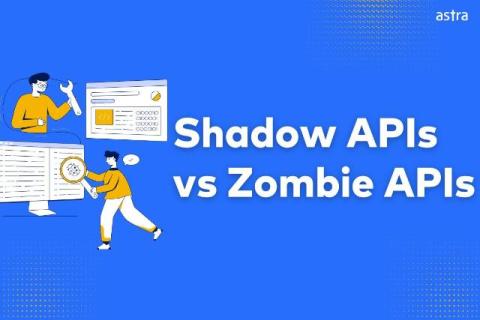
Shadow APIs vs Zombie APIs - All You Need to Know

In the age of digital-first businesses, every other software solution either uses an API (Application Programming Interface) or makes one. They enable various applications and services to work together, enabling businesses to improve features, streamline user experience, and provide new exciting offerings. Unfortunately, the more APIs we collect and interact with, the more security challenges increase.

Poseidon Infostealer, DoNex Ransomware, ElDorado Ransomware, and More: Hacker's Playbook Threat Coverage Round-up: July 2024

In this version of the Hacker’s Playbook Threat Coverage round-up, we are highlighting attack coverage for newly discovered or analyzed threats by the SafeBreach Labs team. SafeBreach customers can select and run these attacks and more from the SafeBreach Hacker’s Playbook to ensure coverage against these advanced threats. Additional details about the threats and our coverage can be seen below.

Tines Idea: Simplify Security Alerts with AI in Tines

From transforming data with a prompt and generated code, to directly accessing and using a language model in your workflows, our AI features make automation even more accessible and efficient for anyone in your organization. Learn how you can take multi-source security alert workflows from 25 actions to 3, reducing the potential for error and making it simpler to make updates like adding sources, change rule definitions, and more.

5 Genuine Reasons - Why Mergers & Acquisitions Need Virtual Data Rooms

Virtual data rooms (VDRs) are revolutionizing merger and acquisition operations. They enable all parties involved - buyers, sellers, and intermediaries - to access, exchange, and analyze large amounts of information quickly and efficiently. This not only speeds up the transaction process but also increases its overall value. All transaction participants have access to a secure place to request, share, organize, and store thousands of confidential documents when using a virtual M&A data room.