Warning: Organizations Need to Prep For AI-Powered Ransomware Attacks

The rise of agentic AI tools will transform the cybercrime landscape, according to a new report from Malwarebytes. Agentic AI—which is still under development—is a step above the generative AI tools that are currently available to the public, and will likely be widely released in 2025. While these tools will have many legitimate uses, they’ll also enable cybercriminals to scale their attacks.


Best-Of-Breed Security Is Always Important-but for SIEM, It's Imperative

Which approach provides superior cybersecurity: a single-vendor platform portfolio or a multivendor best-of-breed ecosystem? Superficially, single-vendor platforms seem to have various advantages: But take a closer look, and glaring gaps appear. Multiple, headline-grabbing security incidents have involved large platform players, and if you’re a seasoned cybersecurity leader, you should consider the risks associated with putting all your eggs in one basket.

Digital Shoplifting: Understanding and Combating Online Retail Fraud

According to the British Retail Consortium (BRC), shoplifting in the UK is surging. Reported cases jumped from 3.7 million to 20.4 million within a year. Viral social media clips show brazen daylight shoplifting. Reports quote frustrated shopkeepers afraid to intervene. Experts in retail, law, and economics debate the causes, blaming the economy, policing, organized crime, and justice systems. While physical shoplifting dominates headlines, digital shoplifting is equally bold and costly.

The Dark Side of AI: How Cybercriminals Exploit Generative AI for Attacks

Artificial Intelligence (AI) has been a game-changer in industries that have further churned into process efficiency and revolutionized cybersecurity. On the flip side, its potential has been weaponized by threat actors. Google's Threat Intelligence Group (GTIG) recently came out with reports which showed that state-sponsored hackers are actively exploiting Google's AI-powered Gemini assistant to strengthen their cyberattacks.

Make-Shift Brand Impersonation: Abusing Trusted Domains with Open Redirects

A KnowBe4 Threat Lab publication Authors: Daniel Netto, Jeewan Singh Jalal, Anand Bodke, and Martin Kraemer Executive Summary Attackers exploit redirects that lack safeguarding mechanisms to borrow the domain reputation of the redirect service, obfuscate the actual destination and exploit trust in known sources. Whitelisting URLs, only allowing a predefined set of URLs to be rewritten, is an effective countermeasures against the vulnerability on the server side.

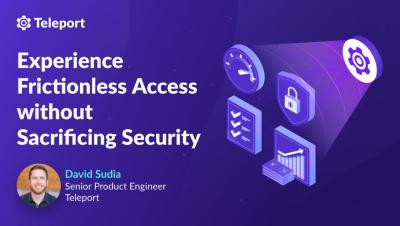
Experience Frictionless Access Without Sacrificing Security

Are you tired of hitting roadblocks just when you need to make critical updates? You’re rushing to resolve an issue, only to realize you’ve lost access to the Kubernetes cluster or database you need. You file a ticket, wait for IT approval, and hope it doesn’t take days—while your deadline looms. Sound familiar?

Ranking Regulatory Frameworks

Region: European Union (Global impact for companies handling EU residents' data) Scope: Data privacy, security, and governance The GDPR sets the gold standard for data protection, demanding comprehensive compliance across a spectrum of activities. Organizations must ensure lawful data processing, gain explicit consent, enable data portability, and implement measures like data protection by design and default.

Communicating Cyber Risk at the Board Level: 7 Lessons for 2025

‍As digital threats grow more sophisticated and cyber regulations expand in scope, business stakeholders are beginning to recognize the need to learn more about cybersecurity and how it impacts organizational performance. With this recognition comes the elevation of chief information security officers (CISOs) into the boardroom, tasked with explaining these cyber intricacies and offering strategies that can help safeguard operational resilience and drive long-term growth.

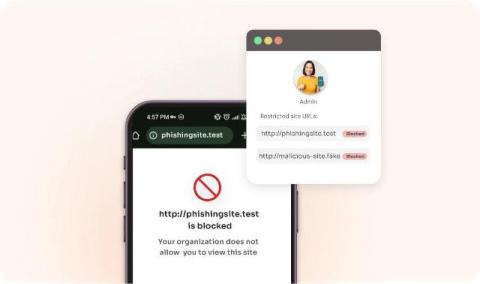
How to Block Websites on Android Phone & Tablet?

Are your employees accessing restricted websites during work hours? Unrestricted web access on company devices can lead to decreased productivity and increased security risks. For businesses, controlling online activity on work-issued Android phones and tablets is essential to maintaining a secure and focused work environment.