Security | Threat Detection | Cyberattacks | DevSecOps | Compliance

Container Security: Protect your data with Calico Egress Access Controls

23andMe is a popular genetics testing company, which was valued at $6B in 2021. Unfortunately, there was a massive data breach in December 2023, which caused a steep decline in the company’s value and trust, plummeting the company to a penny stock. While this breach was not directly related to Kubernetes, the same risks apply to containers running in your Kubernetes environments.

The basics of securing GenAI and LLM development

With the rapid adoption of AI-enabled services into production applications, it’s important that organizations are able to secure the AI/ML components coming into their software supply chain. The good news is that even if you don’t have a tool specifically for scanning models themselves, you can still apply the same DevSecOps best practices to securing model development.

CrowdStrike Brings Industry-Leading ITDR to All Major Cloud-Based Identity Providers

Today, we’re announcing new capabilities of CrowdStrike Falcon Identity Protection to further strengthen our industry-leading identity threat detection and response (ITDR) technology and help customers secure their cloud-based identity environments from cyberattacks.

Navigating the NIS 2 Landscape - Part 1

The European Union (EU) is taking a significant step forward in the fight against cybercrime by introducing the Network and Information Systems Directive 2, or NIS 2. This directive represents a major overhaul of cybersecurity regulations across the continent, aiming to bolster defenses against the ever-evolving threats of the digital age. In this first of four blog posts, we will introduce the basics of NIS 2.

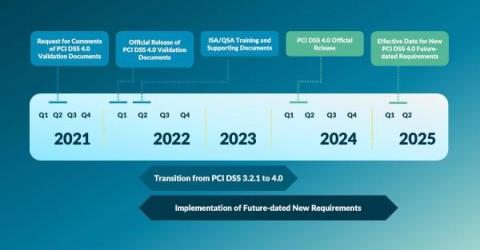
Understanding PCI DSS 4.0: What You Need to Know

If you're in a business that handles credit cards, you already know how crucial it is to keep that data secure. PCI DSS is a set of compliance requirements that ensure all companies handling cardholder data keep it secure. And that it's not just a good idea—it's a must. As cyber threats become more sophisticated, it's challenging to keep pace with complex security and compliance landscapes.

Break free from IAM limitations: How disconnected identities throttle your business and what you can do about it

Imagine this: a sales representative at your company needs to update customer information in your CRM system. She enters her login credentials, but the system rejects them. After a frustrating series of password resets and calls to IT, she finally gains access. But her ordeal isn't over yet. She still needs to log into several other applications: the marketing automation platform, the customer support portal and the internal communication tool – each with its own unique username and password.

Growing Attack Surfaces Highlight the Need for Managed Detection and Response Services

One reason organizations have difficulty defending against cyber threats is their attack surfaces are constantly growing, creating more entry points for bad actors to target. And target they will, creating an onslaught of alerts that drive the need for managed detection and response (MDR) services and other measures to help thwart them. Numerous trends are driving the increase in attack surface, including the proliferation of Internet of Things (IoT) devices.

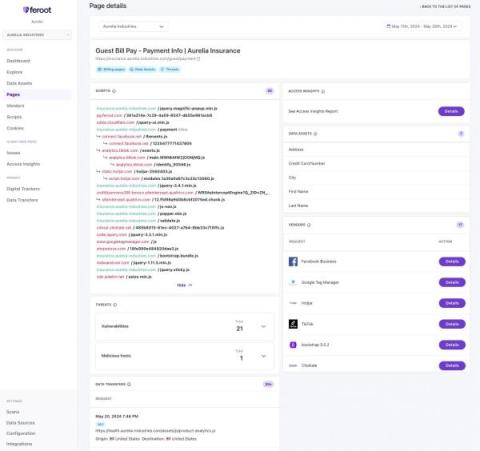
User Guide: PCI 4.0 Requirement 11.6 - Detecting and Responding to Unauthorized Changes on Payment Pages with Feroot

Protecting your e-commerce platform from unauthorized changes and skimming attacks is paramount for maintaining trust and ensuring compliance with PCI DSS 4.0, specifically requirement 11.6. This guide will walk you through utilizing Feroot platform to set up effective monitoring and response mechanisms for your payment pages.

Older, Larger, Riskier: The Correlation Between Application Age and Security Debt in the Public Sector

Years of accumulated security debt due to unaddressed software vulnerabilities and inadequate security configurations plague the applications that support our government functions. The age and size of applications play a significant role in the accumulation of security debt. The State of Software Security 2024 report provides a detailed analysis of how these factors correlate with security vulnerabilities, particularly in older and larger applications.