Security | Threat Detection | Cyberattacks | DevSecOps | Compliance

How the Healthcare Industry Can Prevent Data Breaches

According to a report released by IBM and Ponemon, the healthcare sector has the highest rates of security breaches and cyber attacks globally. The average cost of a data breach for healthcare organizations is around $10.1 million, while the global average for all industries sits around less than half of that amount, at about $4.35 million.
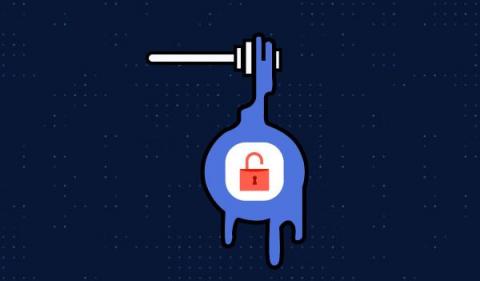

Denial-of-Service Attacks: History, Techniques & Prevention

As its name indicates, Denial of Service (DoS) is any cyberattack that renders the target service inaccessible to legitimate users and information systems. That is, you're trying to access a web page or web service and it's just down, not working. The most common way attackers achieve this is by flooding the host servers and network with excessive traffic, such that the host server crashes or fails to respond in an acceptable duration. The denial-of-service style of attack is a common one.

When is the right time for vulnerability scanning?

All it takes for cybercriminals to breach your mission-critical networks, database, and IT systems is a single unpatched vulnerability. To prevent this and maintain good cyber hygiene, you need to obtain real-time vulnerability data. ‍ Vulnerability scans generate a lot of data that when analyzed reveal several security flaws.

Mitigating digital asset and crypto counterparty risk

If a counterparty holds custody of your crypto or digital assets, there is no replacement for due diligence in terms of risk management, security controls, and operational processes. This is why it’s critical to design crypto operations workflows that mitigate exposure to your counterparties and minimize business continuity risks. For a quick introduction to counterparty risk and how to identify your counterparties take a look here.

How to scale your digital asset or crypto operations

Day-to-day crypto and digital asset operations is one of the most important and business-critical functions for any company working with digital assets – whether you’re a fintech, web3 company, bank or OTC desk. A well-executed crypto operation is one where you have 24/7 access to funds, and can be sure assets are secure at all times, whether they’re in storage or in motion.

The Critical API Security Gaps in WAAPs

Confused about the difference between a web application firewall (WAF) and a web application and API protection platform (WAAP)? Curious how intelligent a next-gen “intelligent WAF” really is? Wondering whether you need dedicated API security if you have a WAAP? Can you really trust a WAAP to secure your critical data and services? In a session from the Salt Security API Security Summit, Mike Rothman, Techstrong Research, stated.

EP 20 - Hacking ChatGPT

Even if you’ve been living under a super-sized rock for the last few months, you’ve probably heard of ChatGPT. It’s an AI-powered chatbot and it’s impressive. It’s performing better on exams than MBA students. It can debug code and write software. It can write social media posts and emails. Users around the globe are clearly finding it compelling. And the repercussions – good and bad – have the potential to be monumental.

Multivariate Anomaly Detection: Safeguarding Organizations from Internal Threats

‍ The term “internal threat” refers to the risk that somebody from inside a company could exploit a system to cause damage or steal data. Internal threats are particularly troubling, as employees may abuse extended privileges, leading to massive losses for the organization. One such infamous case is of an ex-Google employee who was charged with theft of trade secrets from Google for a ride-hailing start-up Uber.