Astaroth trojan uses GitHub to host malware configurations, TA585 delivers MonsterV2 malware in phishing campaigns, and threat actors exploit Microsoft’s logo in tech support scams.
Threat actors are abusing X’s generative AI bot Grok to spread phishing links, according to researchers at ESET. The attackers achieve this by tricking Grok into thinking it’s answering a question, and providing a link in its answer. “In this attack campaign, threat actors circumvent X’s ban on links in promoted posts (designed to fight malvertising) by running video card posts featuring clickbait videos,” ESET says.
In the high-stakes world of financial services, trust is the cornerstone of every client relationship. But here's the challenge that keeps financial leaders up at night: how do you maintain the stringent security clients demand while delivering the rapid response they expect? It's a delicate balancing act that has become increasingly complex in our digital-first world. The reality is stark. A data breach can trigger a mass exodus, with 33% of clients saying they'd switch providers after a data incident.
Cybernews warns that threat actors will likely take advantage of the recent AWS outage to launch phishing attacks against affected users. Attackers frequently exploit high-profile events to carry out social engineering attacks while people are confused or stressed, as these users are more likely to act without careful consideration.
The process of data center migration requires careful planning and execution to ensure minimal disruption to business operations. With the demand for efficient and secure data center migration services, companies like The Cavan Group are essential partners in facilitating a smooth transition. This article explores the key steps and considerations in achieving a successful migration.
A 2022 report by the Bank for International Settlements suggests that about $7.5 trillion is transferred daily around the globe. For context, the U.S. federal government spent $7.01 trillion in its 2025 fiscal year, which ran from October 2024 to September 2025, according to the U.S. Treasury Fiscal Data. Basically, this implies that about 7% more money is traded on the foreign exchange market daily than the U.S federal government spends annually.
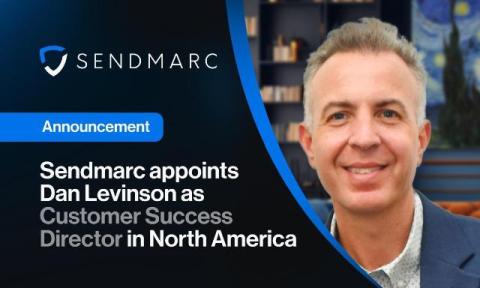
Sendmarc has announced the appointment of Dan Levinson as Customer Success Director - North America, furthering the company's regional expansion and commitment to providing expert, locally aligned support to organizations across the continent. Levinson will lead the development of customer success programs that help businesses strengthen their email security and achieve full compliance with Domain-based Message Authentication, Reporting, and Conformance (DMARC).
With the shifting economic landscapes and unforeseen disruptions, global supply chains are being tested like never before. Businesses across various industries are recognizing that robust risk management isn’t just an operational requirement; it’s a strategic imperative. From sudden geopolitical changes to natural disasters and digital threats, the challenges facing supply chains demand proactive measures and flexible strategies.
Law firms are getting hit with ransomware at an alarming rate, and most don’t realize how exposed they actually are until it’s too late. The American Bar Association reports that 29% of law firms experienced a successful security breach in 2023. The average ransom demand for professional services firms runs between $200,000 and $500,000.
API security has never been more important because modern APIs are operational necessities. Unfortunately, many organizations are failing to adapt their security models to a rapidly changing API threat landscape. Like it or not, we live in an AI-first world, and API security must reflect that reality. The Postman 2025 State of API Report is confirmation of that fact.