Security | Threat Detection | Cyberattacks | DevSecOps | Compliance

What is Vulnerability Monitoring? Benefits, Tools, and Best Practices

In today’s ever changing cyber risk landscape, your organization must adopt a vulnerability management framework to control exposure and remediate risks in a timely manner. In an earlier blog, we explained the vulnerability management process. Here, we explore a key part of that process – vulnerability monitoring – in greater depth.

Data sovereignty in the cloud: A Canadian perspective

Cloud computing has made its way to organizations’ IT infrastructure strategy rapidly over the past few years. In particular, Canadian businesses are showing an increased adoption. This article decodes how Canada’s IT infrastructure shaped up in the last decade, why data sovereignty is now a hot topic, and what the future holds for the cloud. While on-premises IT infrastructure continues to be relevant even today, both SMBs and enterprises are now embracing the cloud more than ever.

New regulation from the SEC to require companies to report how cyber risk could affect them financially

Against the backdrop of the growing frequency and severity of cyber attacks against enterprises, proposed new regulations from The Securities and Exchange Commission (SEC) are set to require publicly traded companies in the U.S. to analyze how cyber risk could affect financial statements. ‍

Elastic Global Threat Report Breakdown: Credential Access

In the second part of our breaking down the Elastic Global Threat Report series, we’re focusing on the credential access tactic, which was the third-most common category of behavior we observed. Roughly 10% of all techniques we saw involved one form of credential theft or another and dissecting this class of behaviors is helpful both to improve our understanding of threats and to better understand enterprise risks.

Using Workflow Actions & OSINT for Threat Hunting in Splunk

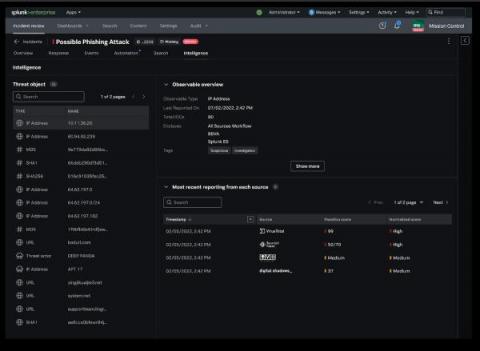
Picture yourself, a threat hunter using Splunk, and the words "workflow action" are uttered by your helpful security Splunker... Workflow actions make you a faster and more effective security analyst. They allow you to skip the laborious steps of logging into various websites to do your job and just get straight to business.

Can You Teach Legacy IoMT New Tricks?

In the ever-changing world of IoT, early adopters of this technology, including many medical and manufacturing organizations, are finding that the devices they so heavily invested in are now less secure than ever. You might think that the only solution is to replace existing technology with new greenfield devices, but is there a way to extend the life of existing equipment, minimizing the cost of new technology and the overall impact your corporation has on the environment?

6 Steps to Ensure a More Secure Supply Chain Environment

Threat groups intending to cause widespread damage often opt to use a supply chain attack, as seen in the massive supply chain compromise that struck VOIP software provider 3CX on March 29. Trustwave SpiderLabs has issued a blog detailing the attack and upcoming steps to mitigate the problem. Striking an organization's supply chain simplifies the attack process by eliminating the need to strike multiple targets by instead focusing on breaching one organization that is key to many others.

10 Reasons why businesses need mobile device management (MDM)

Mobile device management (MDM) refers to a type of software that allows businesses to manage, configure and secure mobile devices used by their employees. Companies use MDM solutions to maintain a secure environment across all the mobile devices they own or have access to, as well as provide features such as remote wipe, password policies, application management and data protection. This helps them ensure security while providing their employees with access to the applications and data they need.

Octiga Vs Flying Solo with Office 365 Security for MSPs

For someone who interacts with managed service providers daily, I am often asked to highlight the differences between our Office 365 security app Octiga and a SIEM that provides similar functionality OR a Microsoft native tool such as Secure Score. I thought, why not create an informative piece for our users who wish to understand Octiga services better?