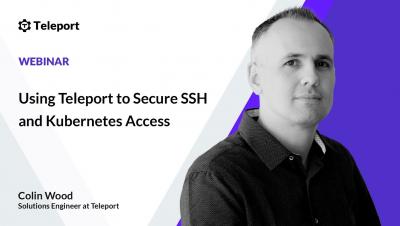
Using Teleport to Secure SSH and Kubernetes Access
As part of Teleport's webinar speaker series, Colin Wood gives a great demo on how to use Teleport to Secure SSH and Kubernetes access.


How important is a company name, really? Turns out that it is pretty important, especially if the name you currently have does not represent what the company has become, or where it is going. Our name is what defines the vision, spirit, and ethos of who we are and what we are trying to accomplish—the strategy, technology, and culture all rolled into one. It needs to be crisp, memorable, and legally acquirable. Guess what? It is harder than it looks…
In 2011, my co-founders Azi Cohen, Ron Rymon, and I founded WhiteSource with a mission to automate all tasks surrounding the use and security of open source software. We were pioneering the software composition analysis (SCA) market before it had a name. Over the years, we’ve evolved to offer more value to our customers beyond our founding purpose.
It was a busy week last week at KubeCon +CloudNativeCon Europe 2022 in Valencia, Spain. It seemed like the entire world related to Kubernetes came together after two years of being apart. It was fulfilling meeting up with our peers and gaining market insight- face-to-face. Catalogic’s core messaging this year has revolved around cyber-resilience for data protection.
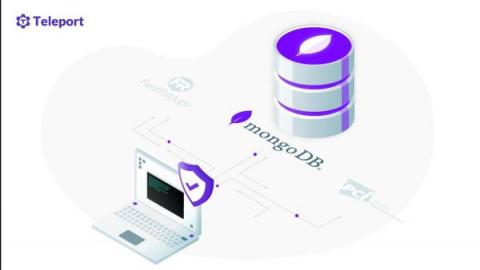
Securing databases is a significant aspect of an organization’s infrastructure and security practices. This article explores the methodologies and steps for securing MongoDB Database, a popular non-relational, flexible, and document-oriented database. Before starting, you should understand the difference between self-hosted MongoDB and MongoDB Atlas.