NPM Dependency Confusion
Snyk helps software-driven businesses develop fast and stay secure. Continuously find and fix vulnerabilities for npm, Maven, NuGet, RubyGems, PyPI and more.


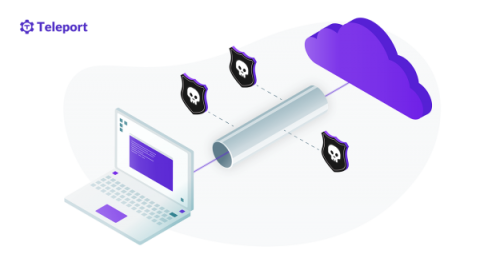
As the number of remote workers grows, virtual private networks (VPNs) are becoming a popular way to grant remote access to employees while hiding online activities from attackers. With a VPN, your organization can secure network traffic between your site and users by creating an end-to-end secure private network connection over a public network. In this article, you will learn how a VPN works, what protocols are needed, what challenges are involved, and what alternatives are available.
Software teams have focused on agility since the world embraced Mark Zuckerberg’s motto to “move fast and break things.” But many still lack the confidence or tooling to accelerate their processes. What’s more: in the race to release more, ship faster, and prioritize speed, many have neglected thoughtfulness and security – with Facebook itself becoming the poster child of data misuse.
For consecutive years, applications have remained the top attack vector for black hats, with supply chain attacks not far behind. At the same time, market research indicates that enterprise security managers and software developers continue to complain that their application security tools are cumbersome. When asked, many developers admit that they don’t run security tests as often as they should, and they push code to production even when they know it has security flaws.