Security | Threat Detection | Cyberattacks | DevSecOps | Compliance

The Guide to Kubernetes Compliance

Kubernetes (K8s) has achieved undeniable mainstream status, with 96% of organizations currently evaluating or already using this technology, according to the Cloud Native Computing Foundation (CNCF). This popularity also brings growing scrutiny over Kubernetes compliance standards and audits, in light of how Kubernetes and cloud native technologies demand a very different approach to security.

Snyk Live : Legal Side of Open Source Use with Yos Pang

Open source use has spread rapidly throughout the world. With many governments, businesses and consumers utilising open source libraries and platforms on a daily basis. As the adoption of open source has increased there are many legal aspects to consider including licensing, compliance and more. This special episode of Snyk Live we are joined by Snyk Head of APJ Legal, Yos Pang. Yos is an international, commercial technology lawyer, with a strong background in intellectual property and a particular interest in open source and open content issues.

CI/CD pipeline attacks: A growing threat to enterprise security

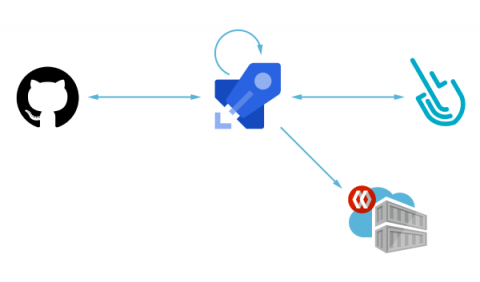
CI/CD pipeline attacks are a growing threat to enterprise security. In this article, we’ll provide an overview of CI/CD for non-developers, discuss the cybersecurity issues involved, and offer some recommendations for developers, companies, and security teams.

4 Best Practices for Microservices Authorization

There are unquestionable advantages to cloud native technologies, but significant challenges as well. Case in point: microservices authorization. Microservices have, for many companies, become the architecture of choice for cloud native apps — whether for migrating legacy apps or building new cloud native applications.

Automating Kubernetes Cross-Account and Cross-Cluster Restore

Why settle for less! The challenge of manually dealing with self-hosting a product like Velero or Kasten on dozens of clusters and multiple clouds, and then trying to migrate data across different accounts and even different clouds is very different from dealing with a single cluster and a single cloud environment. CloudCasa provides a guided workflow for cross-account and cross-cluster Kubernetes restores in Amazon EKS from an intuitive GUI.

CockroachDB Security Hardening

Databases are a critical component of an organization’s infrastructure and a primary target for hackers and cybercriminals. This makes it essential that you have standard practices to secure your database. This article discusses the steps and procedures of securing CockroachDB, a renowned SQL-based and distributed database. CockroachLabs offers both hosted CockroachDB-as-a-Service offering and an enterprise self-hosted version.

Attacker Floods npm With Crypto-Mining Packages that Mine Monero When Installed with Default Configuration

Monero (XMR) is an open-source, privacy-oriented cryptocurrency that was launched in 2014. It uses a public distributed ledger containing technology that obscures transaction details to ensure the anonymity of its users. Monero maintains egalitarian mining, allowing anyone to participate. As tempting as it may seem, some go a step further and use the infrastructure of others to participate in mining. Cryptocurrency mining was originally performed using CPUs, and Monero was no different.]

Kubernetes API Access Security Hardening.

In a Kubernetes cluster, Control Plane controls Nodes, Nodes control Pods, Pods control containers, and containers control applications. But what controls the Control Plane? Kubernetes exposes APIs that let you configure the entire Kubernetes cluster management lifecycle. Thus, securing access to the Kubernetes API is one of the most security-sensitive aspects to consider when considering Kubernetes security.