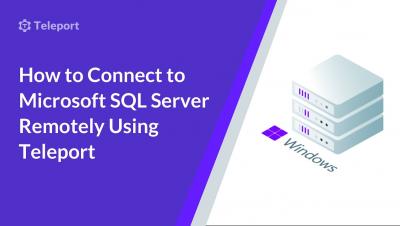
Microsoft SQL Server is a popular relational database management system created and maintained by Microsoft. It’s effective in numerous use cases: storage and retrieval of data as part of a DBMS, transaction processing and analytics applications. However, there are some essential measures you must take to protect your database from cybercriminals and security breaches, as the default security settings are relatively insufficient to keep your database safe.
Snyk’s Senior Product Marketing Manager, Frank Fischer, recently hosted a webinar about the value in using a developer security platform to secure code, dependencies, containers, and infrastructure as code (IaC). During this talk, Fischer discussed the shift in software security that has occurred over the past decade, the need for developers to take part in the security process, and the value of Snyk in securing the entire development lifecycle.
Cross-cluster migration of Kubernetes workloads continues to be challenging since workloads are isolated from each other by design. There are several reasons why you may want to separate your workloads, whether it is to reduce complexity or to have the cluster closer to the user base. However, this can be complex as Kubernetes has many components.
Shifting security left means preventing developers from using unacceptably vulnerable software supply chain components as early as possible: before their first build. By helping assure that no build is ever created using packages with known vulnerabilities, this saves substantial remediation costs in advance. Some JFrog customers restrict the use of open source software (OSS) packages to only those that have been screened and approved by their security team.
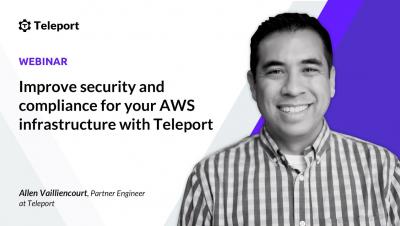
Enterprises are embracing the cloud native paradigm for agility, scalability, composability, and portability. Kubernetes, the open source container orchestration engine, is the foundation of modern, cloud native workloads. AWS customers can leverage managed Kubernetes available in the form of Amazon Elastic Kubernetes Service (EKS) or deploy a cluster based on upstream Kubernetes distribution running in a set of Amazon EC2 instances.
This article provides a breakdown of the most important Terraform security best practices to consider when implementing an Infrastructure as Code (IaC) environment. Terraform is a highly popular IaC tool offering multi-cloud support. IaC means that infrastructure is deployed automatically and configured at scale, which has immediate benefits for efficiency and consistency.
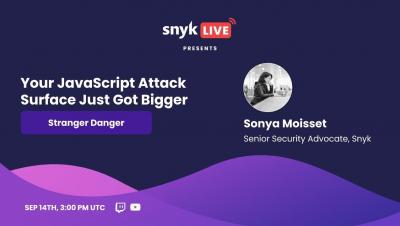
Recently, there have been some remote code execution (RCE) attacks that included just a single line of well-built code that can run a remote shell. Let’s take a look at why and how these attacks work, why npm is particularly susceptible, what could happen if they get into machines, and how to detect and fix them.
0:00 Intro
1:00 Architecture Overview
3:00 Single Sign On Integration
5:00 Teleport Server Access
7:00 tsh and session recordings
9:00 Teleport App Access
11:00 RBAC Mapping
12:05 Teleport K8s Access
15:00 Teleport DB Access
18:00 Teleport RDP Access
22:00 Access Requests
24:00 Teleport Slackbot
26:00 Active Session Joining
27:00: Trusted Clusters
28:00 Open Source vs Enterprise