Security | Threat Detection | Cyberattacks | DevSecOps | Compliance

PCI DSS 4.0 Readiness Roadmap: A Step-by-Step Path Before Audit

Getting PCI DSS compliant is like preparing for a big exam. You cannot just walk into it blind, you first need to prepare, check your weak areas, next fix them, and then only face the audit. If you are here today for the roadmap, I assume you are preparing for an audit now or sometime in the future, and I hope this roadmap helps you as your preparation guide. So, let’s get started!

9 Best GRC Platforms for 2025

If there's one thing 2025 has made clear, it's that Governance, Risk, and Compliance (GRC) is no longer just a regulatory checkbox. It's the nervous system that connects security, operations, and strategy. Whether it's adapting to new laws, keeping an eye on third-party risks, or managing cyber threats before they become headlines, the right GRC platform can make all the difference. The list below focuses on the GRC solutions that are making the biggest impact right now.
Featured Post

The Global Regulatory Convergence: A Catalyst for Smarter Compliance

As digital technologies and threats transcend borders, the global convergence of regulatory frameworks is no coincidence. Governments and regulators are recognising the need for consistency as cyberattacks, data breaches, algorithmic bias, and systemic failures in digital infrastructure are no longer local concerns but are global risks that require harmonised solutions.

From issues to impact: Making sense of GRC gaps

Every audit turns up a few surprises. A missing patch here. A policy that was missing a few key processes. An employee training record that slipped through the cracks. Together all of these gaps tell a story: somewhere, a control isn’t doing what you expect. ‍ In GRC, we give those events names, issues, risks, and exceptions, and the way they connect is what separates a reactive program from a resilient one. ‍

Beyond PCI and HIPAA: How Feroot Powers Personal Information Protection and Electronic Documents Act (PIPEDA) Compliance

If your organization collects personal information from Canadian residents—whether through e-commerce websites, SaaS applications, or marketing platforms—PIPEDA likely applies to you. The challenge? PIPEDA’s principles-based framework is intentionally broad, making it difficult for organizations to know where they stand. One of the most overlooked areas of compliance is the client-side of web applications, where third-party scripts, pixels, and tag managers quietly handle customer data.

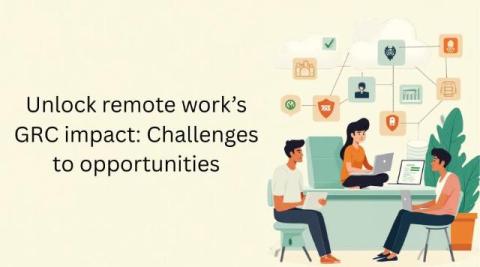
Cross-border compliance: navigating complexities in a global economy

When business knows no borders, companies expanding globally face a hidden labyrinth: cross-border compliance. Every new country introduces a unique patchwork of regulations around data privacy, taxation, trade controls, labor laws, and industry-specific rules. What seems like a local detail in one jurisdiction may spiral into a costly mistake elsewhere. Yet the stakes are high; noncompliance can bring heavy fines, reputational damage, and operational disruption in markets you’re trying to serve.

GDPR Compliance Checklist and Requirements for 2025

For consumers and businesses, a GDPR compliance checklist helps everyone understand how to protect data, how to manage their data with companies, and what steps can be taken to limit how their data is used or prevent data breaches. Throughout this article, we will discuss in depth what steps should be monitored when following a GDPR compliance checklist to avoid fines or legal consequences.

5 healthcare cybersecurity regulations and frameworks to follow in 2025

As AI and automation increasingly become embedded into healthcare operations, securing these technologies becomes critical, especially for organizations managing protected health information (PHI), which are frequent targets for cybersecurity threats such as data breaches and unauthorized access. ‍ To safeguard this sensitive data, regulatory agencies like the U.S. Department of Health and Human Services (HHS) enforces strict cybersecurity and privacy regulations under HIPAA.