Security | Threat Detection | Cyberattacks | DevSecOps | Compliance

How to choose the best risk management software for your organization

Fast-paced changes in technologies, regulations, and growth expectations can quickly shift your risk environment. Without a structured approach to managing these risks, even the most innovative organizations can face costly disruptions, security incidents, and compliance missteps.

DORA penetration testing and threat-led exercises explained

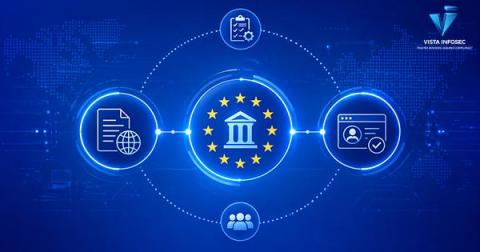
The Digital Operational Resilience Act (DORA) introduces a unified framework for managing ICT risk across the European financial sector, with key requirements, including penetration testing, coming into force in 2026. Its aim is to ensure that regulated organisations, and the critical third-party providers they rely on, can withstand, respond to and recover from operational disruptions. Within this context, operational resilience and robust ICT risk management become central to regulatory expectations.

Exploit Intel & Detected Products - Tanium Comply - Tanium Tech Talks #153

Cut through vulnerability noise! Learn how Tanium Comply’s new Exploit Intel, Endpoint Criticality, and Detected Products help you prioritize and remediate faster. What you’ll learn: Why CVSS alone isn’t enough How EPSS and exploit maturity change the game Dynamic criticality rules for business impact Detected Products for pinpoint remediation Visualize risk with the Exploitability Dashboard.

Your Data Deserves a Fortress: Why Shared Hosting is a Security Gamble in 2026

Cybersecurity is no longer just an IT concern; it is an existential issue for businesses of all sizes. Ransomware attacks, data breaches, and automated botnets do not discriminate between a multinational corporation and a local e-commerce store. While many business owners invest heavily in antivirus software and firewalls for their office laptops, they often overlook a glaring vulnerability: the infrastructure where their website and customer data actually live. Hosting your business on a shared server is akin to leaving your front door unlocked because you live in a "safe neighborhood." It works until it doesn't.

HIPAA Compliance for Pharmaceutical Websites, Portals, and Mobile Apps

If you operate pharmaceutical websites, portals, adherence tools, or patient support platforms, client-side execution is part of your compliance surface. Analytics, pixels, chat interfaces, and third-party libraries stop being neutral once they run alongside condition-specific content, authenticated access, or patient-initiated actions. At that point, they participate in disclosure. OCR’s clarification on tracking technologies did not create new obligations.

How to Build HIPAA-Compliant Infrastructure on AWS

Many healthcare organizations want to move workloads to AWS but stall because they’re uncertain how to maintain HIPAA compliance in the cloud. The good news: AWS provides the tools and certifications needed for HIPAA-eligible services. The challenge is implementing them correctly. AWS has been HIPAA-eligible since 2013 and currently offers over 150 services that can be used in HIPAA-compliant architectures. But eligibility doesn’t equal compliance.

An actionable guide to GDPR compliance for startups

The General Data Protection Regulation (GDPR) is the EU’s landmark law for data security and privacy, and is mandatory for any organization that processes the data of individuals within the EU. ‍ While GDPR compliance is a legal requirement, the framework also serves as a benchmark for ethical and transparent data management. For growing startups, aligning with the GDPR boosts credibility early on and signals customers and investors that privacy and trust are critical to the organization.

Why Physical Infrastructure Still Matters in a Cyber World

As organizations accelerate cloud adoption and digital transformation, it's tempting to think physical infrastructure is becoming less important. Software-defined networks, virtual machines, and remote access tools dominate security conversations. Yet the reality is more nuanced. Digital systems still rely on physical foundations, and when those foundations fail, even the most sophisticated cyber defenses can unravel.

GRC impact: Challenges to opportunities of remote work

As organizations worldwide recalibrate their operations in the wake of unprecedented change, remote work has emerged not simply as a fleeting trend but as a mainstay of modern business. For compliance experts and leaders alike, this shift has introduced a complex interplay of governance, risk management, and compliance (GRC) challenges and opportunities.