Mailchimp
Not subscribed to OpsMatters Newsletter


Ransomware attacks are one of the biggest threats that CIOs and their teams face today. The impact of a ransomware attack can be daunting, crippling business operations and causing significant financial losses.
Something as common and widely known as a software update can prevent major cyberattacks from happening, as they incorporate patches that fix system vulnerabilities. Prioritizing updates may seem a burdensome and inconvenient task for users, because computers and servers have to restart to perform installation, which interrupts users when they are working.
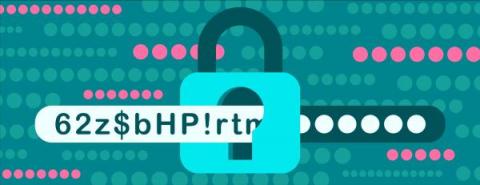
Artificial intelligence (AI) made a larger-than-usual splash recently when word broke of an AI-powered password cracker. I have a bit of AI fatigue, but these stories immediately grabbed my attention — they had me at “passwords.”
Your organization’s cybersecurity ecosystem is complex. It covers a wide range of internal digital assets but also extends beyond the network perimeter to other entities, such as vendors, suppliers, and cloud service providers—making you increasingly vulnerable to cyber risk. To secure this ecosystem, you need both an outside-in and inside-out perspective of vulnerabilities and risks.
Analysis of Microsoft Power Platform’s security features revealed limitations that could expose organizations to security risks, such as difficulty enforcing DLP policies for pre-existing resources and issues with HTTP calls or custom connectors.