Mailchimp
Not subscribed to OpsMatters Newsletter


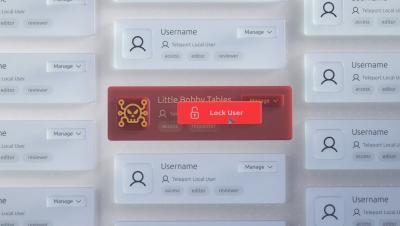
When organizations were forced to shift to remote work during the pandemic, they needed a quick-fix solution that would enable their remote employees to securely access work resources. For many, this solution came in the form of VPNs. However, VPNs were not designed for the bring your own device (BYOD) and cloud app security use cases. While VPNs can provide remote access, it may come as a surprise that they fall short when it comes to security.
Discover insights from Gartner's Security and Risk Management 2023 Summit in London. Learn how CNAPP enhances protection in a complex cloud environment.
In an era where cyber threats are increasingly sophisticated and ubiquitous, businesses must remain vigilant and proactive in their approach to security. Cyber threat intelligence (TI or CTI) emerges as a beacon of hope, offering insights and strategies to detect, prevent, and respond to potential cyberattacks. Through this guide, we'll walk you through what TI is, different types of TI, and how it reshapes our understanding of cybersecurity.
What Are White Label Cloud Services? White-label cloud services are cloud solutions that are provided by a third-party vendor but can be rebranded and customized to fit the branding and requirements of the MSP or their clients. Essentially, white-label cloud services allow MSPs to offer cloud-based solutions under their own brand, enabling them to maintain consistency in their service offerings and provide a more cohesive experience to their clients.
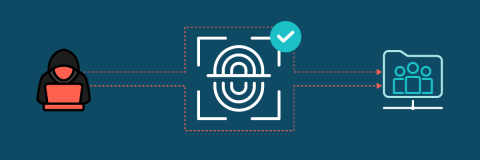
Broken access control, the vulnerability category consistently ranking on the OWASP Top 10 Web Application Security Risks list, poses the most significant challenge for application security right now. Over-reliance on automated solutions to tackle these challenges creates a false sense of security and could have severe implications for application owners.
Single sign-on (SSO) is a tool that simplifies the authentication process by allowing users to log in and access various digital applications and services using a single set of credentials. This authentication solution works through a central service that authenticates users once and then provides an authentication token for the applications they wish to use. This token enables applications to verify user identity without users having to re-enter their credentials.