Security | Threat Detection | Cyberattacks | DevSecOps | Compliance

LLMs Gone Wild: AI Without Guardrails

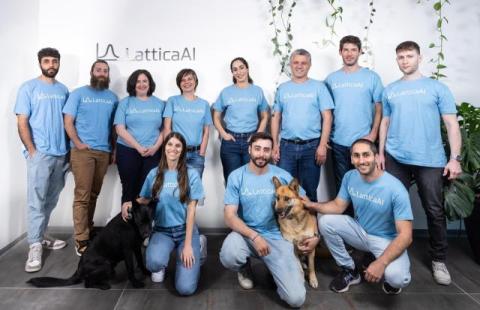
From the moment ChatGPT was released to the public, offensive actors started looking to use this new wealth of knowledge to further nefarious activities. Many of the controls we have become familiar with didn’t exist in its early stages. The ability to request malicious code or the process to execute an advanced attack was there for the asking from an open prompt. This proved that the models could provide adversarial recommendations and new attacks never before seen.

ASM vs CASM: Understanding the key differences

There is a pressing need to protect an organisation’s digital assets against cyber attacks and it has never been more critical. The increasing complexity and dynamic nature of IT environments mean that traditional security measures often fall short. This has led to the emergence of new defensive approaches, such as attack surface management (ASM) that proactively safeguard against cyber threats.

How Wallarm API Security Platform Works: Key Features Explained #apisecurity #cybersecurity #api

Get an inside look at how the Wallarm API Security Platform operates to protect your APIs. Learn about its key features, including API Discovery, real-time protection, and traffic analysis, and how it helps you stay ahead of API threats.

A CISO'S View on Building an API Security Program in 2024

Building a robust API and application security program is essential for security leaders across all industries. However, creating and maintaining an effective security strategy for your APIs and web applications requires: Identifying the right components to build a program that aligns with your business objectives.

Twilio Breach: 33M Phone Numbers Exposed #apiattacks #apisecurity #dataleaks #databreach #twilio

A major security breach at Twilio exposed 33 million phone numbers due to an unauthenticated API. Watch this video to understand the risks and learn essential API security practices to protect your organization from similar threats.

Introducing Tines Workbench

You trust us with your most important workflows, and we take that trust seriously. In developing AI in Tines, we’ve been laser-focused on helping users leverage AI without exposing their organizations to security and privacy risks. But we also spoke with so many teams struggling to fully realize AI's potential impact. They wanted AI to do more, while still preserving those all-important security and privacy guardrails.

Inside the Cloud: Cloud-Based Ransomware

This is the second in a series of articles about cloud-based attack vectors. Check out our last article about admin takeovers! Inside the Cloud: Attacks & Prevention – Administrative Account Compromise Ransomware has long been associated with takeovers of endpoints. However, attackers are evolving to target cloud environments – and the effects can be devastating.

Protecting APIs from abuse using sequence learning and variable order Markov chains

Consider the case of a malicious actor attempting to inject, scrape, harvest, or exfiltrate data via an API. Such malicious activities are often characterized by the particular order in which the actor initiates requests to API endpoints. Moreover, the malicious activity is often not readily detectable using volumetric techniques alone, because the actor may intentionally execute API requests slowly, in an attempt to thwart volumetric abuse protection.

Why AI Guardrails Need Session-Level Monitoring: Stopping Threats That Slip Through the Cracks

AI guardrails are vital for ensuring the safe and responsible use of AI/large language models (LLMs). However, focusing solely on single prompt-level checks can leave organizations vulnerable to sophisticated threats. Many company policy violations and security risks can be cleverly split across multiple, seemingly innocent queries. To effectively protect against these threats, a more comprehensive approach is needed — session-level monitoring.

Gen AI Guardrails: 5 Risks to Your Business and How to Avoid Them

As businesses increasingly adopt Generative AI (Gen AI) to enhance operations, customer engagement, and innovation, the need for robust AI guardrails has never been more critical. While Gen AI offers transformative potential, it also introduces significant risks that can jeopardize your business if not properly managed. Below, we explore five critical risks associated with Gen AI and provide strategies to avoid them.