The speakers at ShowMeCon 2025 explored why policy isn't protection without validation. AI, identity, and threat detection must align to reduce operational risk.
The rise of generative AI has fundamentally changed how we work, create, and collaborate. But as organizations rush to integrate AI tools into their workflows, they're inadvertently creating entirely new categories of data risk that traditional security measures weren't designed to handle.
Today at re:Inforce Amazon Web Services (AWS), unveiled an enhanced version of AWS Security Hub which will enable organizations to surface and prioritize active risks in their cloud environment. Security Hub transforms security signals into actionable insights and offers intuitive visualizations and natural language summaries. Tines will offer workflow orchestration and automation for this enhanced version of Security Hub.
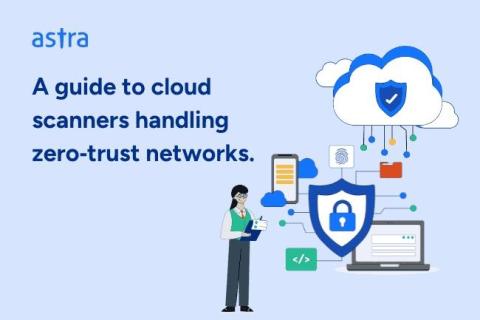
In enterprise IT, there’s a familiar story: moving applications to the cloud is easy—but securely connecting cloud workloads isn’t. Cloud migration is no longer a question of if, but how fast enterprises can make the shift. As of 2025, an estimated 67% of enterprise infrastructure runs in the cloud, highlighting the widespread adoption of cloud hosting and infrastructure services worldwide.
Telegram has long stood out in the messaging world for its open API, cloud-based architecture, and a strong focus on speed and privacy. But while most users rely on the official Telegram App, there's a growing number of alternative client Apps-particularly for Android-that offer unique features or customizations not available in the standard version.
Artificial intelligence is no longer science fiction - it is currently ruling (sometimes literally) the automotive industry. It helps design cars, assemble them, check for bugs, make smart driver assistance systems, and even communicate with you in the car. The Indy Auto Man Indianapolis used car auto dealer offers to figure out how exactly AI is transforming the automotive industry and what cool technologies already exist.
When evaluating AI agents for your SOC, it's not just about capabilities—it’s about control, oversight, and integration. In this clip, Philippe Tchakovski breaks down the most common mistakes security teams make when adopting AI: from fragile API integrations to missing guardrails and a lack of audit trails. Don’t deploy blindly—understand the risks before automation goes live.
David Weston, Corp Vice President of OS Security at Microsoft, joined us for Defender Fridays! He covered how we protect AI data and models on Windows devices outside of the data center, and how we use AI to find vulnerabilities in Windows.
Security isn’t a department. It’s a shared responsibility. To move from reactive to preventive, every product team needs embedded cyber expertise. Ange Ferrari, SVP and CISO at Metro AG, explains how decentralizing security enables scale and forces organizations to treat security as everyone's job, not just IT's. If you want to "shift left" for real, this episode is your playbook.
API Gateways are a critical first line of defense in securing APIs—but can you rely on them alone? In this video, we break down how API Gateways work, what security features they offer, and why they’re not a complete solution.