As applications become more complex, so does the task of securing them. While the source code making up applications consists of proprietary code, a great deal of it is also third-party, open source code. Development and security teams looking to release secure code while also maintaining a rapid pace of development, need to therefore combine static application security testing (SAST) and software composition analysis (SCA) as part of a comprehensive software security strategy.
We’re officially more than halfway through winter here in the northern hemisphere, and although that famous Pennsylvania groundhog Punxsutawney Phil has just predicted six more weeks of cold and snow, we have some good news that we think helps make up for it. We’re announcing a major new release of CloudCasa features!
This is the first in a series of blogs that will describe the importance of conducting Red and Purple Team exercises. The first entry in the series gives an overview of how to properly conduct these drills with follow on blogs diving deeper into the specifics of Red and Purple team maneuvers. The first realization most organizations have that their cybersecurity is, let's say, subpar generally comes right after it has been hit by a devastating attack.
Despite the growing interest in cloud accounts by opportunistic and state-sponsored actors, too many organizations fail to implement basic security measures to protect their cloud apps, such as multi-factor authentication (MFA) for administrators and users. This is the concerning finding of a report recently released by Microsoft, according to which just 22% of Azure Active Directory customers implement strong authentication mechanisms such as MFA or passwordless authentication.
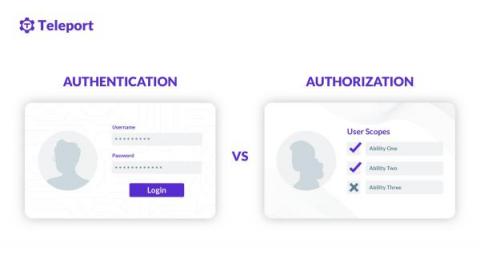
Often referred to as AuthN (authentication) and AuthZ (authorization) in the modern access control paradigm, both authentication and authorization are a method to control access to resources. These resources can be files, programs, web applications, mobile applications, operating systems, network devices, etc. Let’s explore three common scenarios on how authentication and authorization are involved. These are the few sample cases of authentication vs. authorization.
A data exfiltration attack involves the unauthorized transfer of sensitive data, such as personal data and intellectual property, out of a target system and into a separate location. These transfers could either occur internally, through insider threats, or externally, through remote Command and Control servers. Every cyberattack with a data theft objective could be classified as a data exfiltration attack.