Security | Threat Detection | Cyberattacks | DevSecOps | Compliance

PHP2Shell (CVE-2026-109618 and CVE-2026-109619): Why Patching Alone Isn't Enough

Two critical vulnerabilities in PHP, CVE-2026-109618 and CVE-2026-109619, allow attackers to execute code on vulnerable web servers without authentication. PHP released fixes on October 21, 2026, including versions 8.5.12, 8.4.27, 8.3.36 and 8.2.35. But patching your servers is only part of the response. Organizations must also understand what their websites delivered to customers during the exposure window, including scripts served by third-party vendors whose infrastructure may have been vulnerable.
Code Signing Key Theft: Examples, Risks, and Security Best Practices

A valid digital signature is a green light for Windows, browsers, and “Microsoft SmartScreen” protection: this file comes from the publisher mentioned in the digital signature, and it has not changed since it was built. By signing code, you are trusting to ensure that the code is safe for your machine. Digging up the asset is not just their public.cer file, which is everywhere in a certificate store; it is the key that is vital for the creation of the signature.

Keeper Security Launches AI-Powered Phishing Protection To Warn Users Before Entering Credentials on Fake Sites

Keeper Security, the leading zero-trust and zero-knowledge identity security platform, today announces Phishing Protection, a new feature in the Keeper Browser Extension that warns users before they enter credentials on fraudulent login pages. Built on a zero-knowledge local AI engine, the feature detects look-alike domains, spoofed websites and brand impersonation directly in the browser, helping users avoid handing over credentials to a cybercriminal.

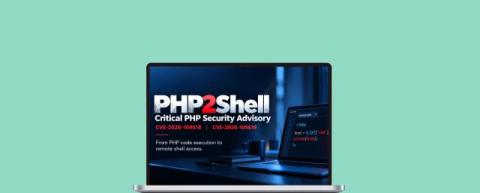
PHP2Shell: Critical PHP Vulnerabilities Enable Unauthenticated Remote Code Execution

On October 21, 2026, the PHP development team released emergency security updates addressing two critical vulnerabilities, CVE-2026-109618 and CVE-2026-109619, collectively referred to by researchers as PHP2Shell. Both vulnerabilities carry a CVSS v4.0 score of 9.2 (Critical Severity) and can allow an unauthenticated attacker to execute code with the privileges of the affected PHP worker process.

PHP2Shell (CVE-2026-109618 & CVE-2026-109619): Pre-Auth RCE in PHP Core Puts Web Servers at Risk

Two critical vulnerabilities in the PHP core, tracked as CVE-2026-109618 and CVE-2026-109619 and nicknamed PHP2Shell, let an unauthenticated attacker run commands on servers that use an affected PHP build to handle web requests. PHP released fixes on October 21, 2026, a day after details leaked online. Public proof-of-concept code followed within hours, and exploitation attempts were seen as early as October 17. AppTrana customers have been protected against PHP2Shell.

Node2Shell: Node.js Brotli vulnerability allows remote code execution (CVE-2026-111497)

Node.js shipped a security update on Wednesday for a flaw in how it decompresses Brotli data, a bug people are already calling Node2Shell (CVE-2026-111497). If an attacker can get a malicious payload in front of your app, the flaw can crash the process, leak part of its memory, or potentially let them run their own code. Who is affected: anyone running Node.js or Bun whose app decompresses Brotli data that an attacker could control.

Uncovering the eMudhra incident: A Zeek detection

This week, two big vulnerabilities are in the news. The first one is the PHP2Shell vulnerability, for which a Zeek detector was published yesterday. The second, equally important, vulnerability is the compromise of some intermediate certificates of the eMudhra Certificate Authority (CA).

Everything You Need to Know About Secure Remote Storage

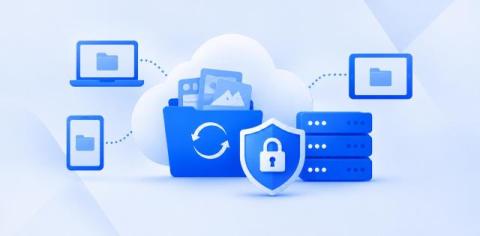
Secure remote storage offers a solution to store your important files, including videos, photos, and more, remotely online, so you can access, share, back up, or edit your files online across multiple devices. Throughout this article, we will offer secure remote storage options, explain what are the benefits of using remote storage, and explain how it works, and the different types of storage methods available.

Ep. 90 - SafePay Claimed 590 Victims in 49 Countries Without Needing a Single Zero-Day

SafePay doesn’t need a zero-day. It logs in. The FBI, CISA, the US Secret Service and German and UK police just issued joint advisory AA26-293A on the ransomware crew, and its front door is your VPN. Tova Dvorin and Adrian Culley break down SafePay’s three initial-access routes, the five known CVEs across Cisco ASA, Veeam and SonicWall, its FileZilla, Mimikatz and ShareFinder.ps1 tool chain, and four controls to validate before a stolen password is used.