Security | Threat Detection | Cyberattacks | DevSecOps | Compliance

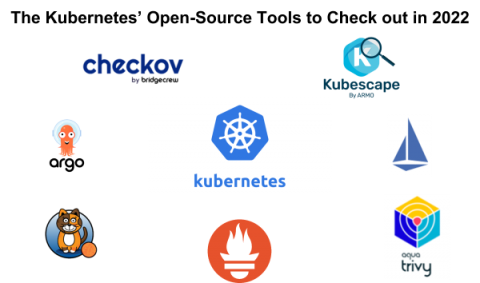
The Kubernetes' Open-Source Tools to Check out in 2022

In 2014, Kubernetes surfaced from work at Google and quickly became the de facto standard for container management and orchestration. Despite its silicon valley origins, it became one of the most impactful open-source projects in the history of computing. Today, the Cloud Native Computing Foundation (CNCF) maintains Kubernetes with many private companies and independent open-source developers.
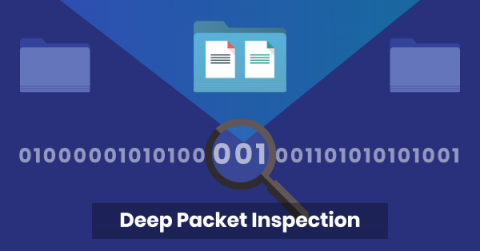
Real-time threat response for Kubernetes workloads, using threat intelligence feeds and deep packet inspection

Cloud-native transformations come with many security and troubleshooting challenges. Real-time intrusion detection and the prevention of continuously evolving threats is challenging for cloud-native applications in Kubernetes. Due to the ephemeral nature of pods, it is difficult to determine source or destination endpoints and limit their blast radius. Traditional perimeter-based firewalls are not ideal fit for Kubernetes and containers.

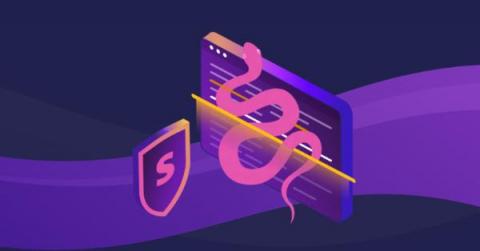
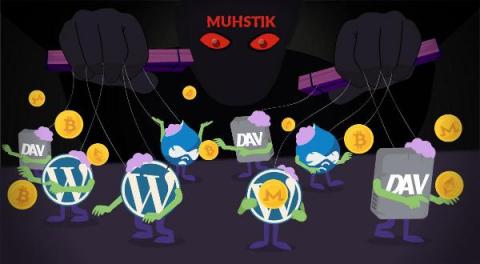
Hands-On Muhstik Botnet: crypto-mining attacks targeting Kubernetes

Malware is continuously mutating, targeting new services and platforms. The Sysdig Security Research team has identified the famous Muhstik Botnet with new behavior, attacking a Kubernetes Pod with the plan to control the Pod and mine cryptocurrency. A WordPress Kubernetes Pod was compromised by the Muhstik worm and added to the botnet. On the Pod has been deployed and executed various types of crypto miners, like xmra64andxmrig64.

Getting started with runtime security and Falco

Discover how to get started with Falco to overcome the challenges of implementing runtime security for cloud-native workloads. If you are adopting containers and cloud, you are probably enjoying benefits like automated deployments and easier scalability. However, you may also find that when it comes to security, this is a whole new world with new rules, and traditional security tools struggle to keep up. As a new paradigm, cloud-native environments need new cloud-native tools.

Best practices for containerizing Python applications with Docker

From reading many Python Docker container blogs, we’ve found that the majority of posts provide examples of how to containerize a Python application independent of its framework (Django, Flask, Falcon, etc.). For example, you might see something like this: With this Dockerfile, we can build and run a Python Flask application: Two simple steps and it works just fine, right?

CloudCasa Certified OpenShift Operator Installation Demo

CloudCasa now seamlessly integrates with Red Hat OpenShift via a certified CloudCasa operator, enabling the delivery of comprehensive backup and recovery for your Kubernetes configuration and application data. From the console of Red Hat OCP, you can easily deploy CloudCasa to your clusters to provide comprehensive backup and recovery functions.

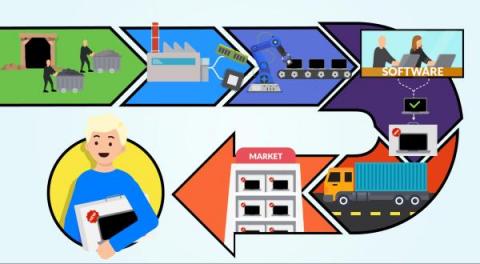
Secure software supply chain: why every link matters

The new threats in software development are not only related to the specific company itself. The whole software supply chain is a target for attackers and it is really important to make sure that we put all our effort into securing each link because if one fails, everything will be affected. Supply chain activities include each step of the transformation of raw materials, components, and resources into a completed product, and its delivery to the end customer.

How and when to use Docker labels / OCI container annotations

Most container images are built using Dockerfiles which contain combinations of instructions like FROM, RUN, COPY, ENTRYPOINT, etc. to build the layers of an OCI-compliant image. One instruction that is used surprisingly rarely, though, is LABEL. In this post, we’ll dig into labels (“annotations” in the OCI Image Specification) what they are, some standardized uses as well as some practices you can use to enhance your container security posture.

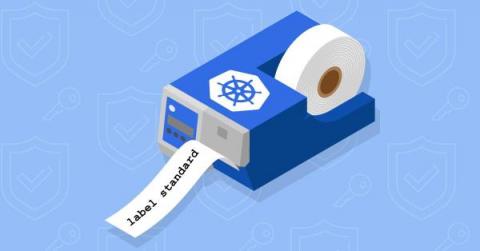
Label standard and best practices for Kubernetes security

In this blog post, I will be talking about label standard and best practices for Kubernetes security. This is a common area where I see organizations struggle to define the set of labels required to meet their security requirements. My advice is to always start with a hierarchical security design that is capable of achieving your enterprise security and compliance requirements, then define your label standard in alignment with your design.