There has been a huge uptick in microservices adoption in the data analytics domain, primarily aided by machine learning (ML) and artificial intelligence (AI) projects. Some of the reasons why containers are popular among ML developers is the ease of portability, scalability, and quick access to data using services—specifically network services. The rise of cloud-native applications, especially for big data in the analytics sector, makes these applications a prime target for cyber crime.
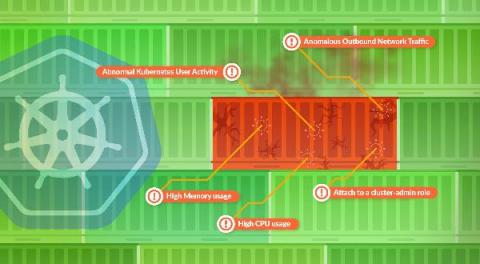
Organizations have moved business-critical apps to the cloud and attackers have followed. 2020 was a tipping point; the first year where we saw more cloud asset breaches and incidents than on-premises ones. We know bad actors are out there; if you’re operating in the cloud, how are you detecting threats? Cloud is different. Services are no longer confined in a single place with one way in or one way out.
Right on the heels of CVE-2022-4092, another local privilege escalation flaw in the Linux Kernel was disclosed on Monday, nicknamed “Dirty Pipe” by the discoverer. MITRE has designated this as CVE-2022-0847. Similar to the “Dirty COW” exploit (CVE-2016-5195), this flaw abuses how the Kernel manages pages in pipes and impacts the latest versions of Linux.
Linux maintainers disclosed a privilege escalation vulnerability in the Linux Kernel. The vulnerability has been issued a Common Vulnerability and Exposures ID of CVE-2022-0492 and is rated as a High (7.0) severity. The flaw occurs in cgroups permitting an attacker to escape container environments, and elevate privileges. The vulnerable code was found in the Linux Kernel’s cgroup_release_agent_write in the kernel/cgroup/cgroup-v1.c function.
The most beautiful and inspiring aspect about open source code is, well, that it’s open source. We can look at open source packages like gifts that are exchanged between developers across the engineering world, allowing them to learn from the work other people do, contribute their own expertise, and grow their professional capabilities. Contributing to open source is much appreciated, and it is important to remember not only to benefit from these projects, but also to contribute back.
Kubernetes is a valuable resource and a leading container management system in development pipelines across the world, but it’s not exempt from malicious attacks. Using Kubernetes requires a deep understanding of Kubernetes’ environment—including the different vulnerabilities you can be exposed to while creating, deploying, or running applications in your clusters.
By its general purpose nature, Open Policy Agent (OPA) allows for a unified way of dealing with policy across a wide range of use cases. One particularly interesting use case for OPA, and one which will be the focus of this series of blogs, is that of application authorization (or entitlements, or simply, authorization).
In the last few years, Kubernetes has grown exponentially in popularity. Its wide adoption can be attributed to its open source nature, flexibility, and ability to run anywhere. Developers also love the fact that you can manage everything in Kubernetes using code. kubectl is the Kubernetes-specific command line tool that lets you communicate and control Kubernetes clusters. Whether you’re creating, managing, or deleting resources on your Kubernetes platform, kubectl is an essential tool.