Forescout XDR
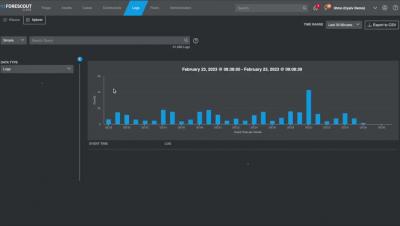
Forescout's eXtended detection and response solution (XDR) addresses modern SecOps challenges. Learn more about Forescout XDR in our demonstration video.


We often hear about the importance of DevSecOps — integrating security into DevOps processes. But as many security professionals know, it’s not nearly as easy as it sounds. Cultivating secure software development practices requires working alongside developers with varying opinions, priorities, and idiosyncrasies. And any process involving humans is complicated. So, how do today’s security teams overcome these challenges and make secure software development practices a reality?
Automated incident response can help security teams identify and respond to cyber threats faster. When a breach happens, delays equal costs. Today, a cyber attack happens every 39 seconds, and the global average total cost of a data breach is the highest it’s been in 17 years. In this environment, a low response time is crucial to reducing cyber risk.
Our previous research on CVE exploitability in the top DockerHub images discovered that 78% of the reported CVEs were actually not exploitable. This time, the JFrog Security Research team used JFrog Xray’s Contextual Analysis feature, automatically analyzing the applicability of reported CVEs, to scan OWASP WebGoat – a deliberately insecure application. The results identified that out of 60 CVEs reported with a Critical CVSS score, only 10 are actually applicable.