Why your security needs a modern SIEM solution

Not investing in a Security Incident and Event Management (SIEM) solution means you’re missing out on significant business benefits. A SIEM platform provides real-time detection and response to security incidents, helping you reduce the risk of costly compliance violations. Combine that with SIEM use cases such as consolidating and streamlining reporting, and your security team saves time and operational costs.


A Balanced Approach to Handling Internal Security Threats

While external cyberattacks often make the headlines, internal security risks (aka insider risks) present a significant danger that is sometimes underestimated. These risks can arise from disgruntled employees, negligent insiders, or malicious actors with privileged access. The repercussions of such breaches can be severe, resulting in data loss, financial harm, legal fines, and harm to reputation.

Cyber Insurance for SMEs: Reducing Premiums with Security

When it comes to cyber insurance for SMEs, many small and medium-sized enterprises believe that cyber insurance feels like an optional extra, not a necessity, something to worry about later. This risk-taking attitude is often driven by various common misconceptions: The opposite is often true. Smaller businesses are frequently seen as easier targets due to limited budgets, lean security teams, and less mature cyber defences.

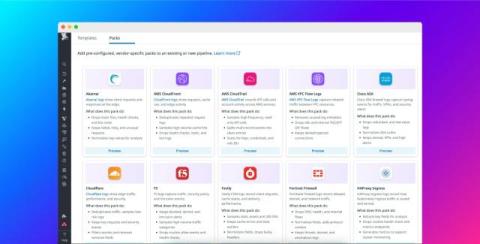
Control logging costs on any SIEM or data lake using Packs with Observability Pipelines

Rising log volumes are making it harder than ever for security and SRE teams to balance visibility with cost. Every network, CDN, and security layer generates continuous streams of telemetry, but deciding what to parse, retain, or drop often requires manual configuration, specialized knowledge, and extensive tuning.

Digital estate planning: Protect what matters - even after you're gone

As our lives move increasingly online, it’s worth considering what happens to our digital selves after we’re gone. From social media accounts to crypto wallets, our digital footprint now extends far beyond the physical world. Make a plan for your digital legacy today.

The Silent Killers: 7 Examples of Mobile Device Security Risks

It’s easy to think about securing an organization’s data like building a bank vault. You focus on defenses that are impermeable to unauthorized parties: doors hardened against drills, walls resistant to impacts, and countermeasures for any number of other illicit access methods. Ultimately, you feel confident that only people with the right clearance will get in.

Adopting cold-war tactics for AI deep fakes?

The AI arms race in deepfake detection has a critical problem: the technology can't keep up. In this episode, Navroop Mitter, CEO of ArmorText, discusses why the industry is shifting away from relying on AI detection alone. A recent study from SKKU in South Korea found that zero out of sixteen top deepfake detection technologies could reliably identify deepfakes in real-world conditions. They worked fine in controlled lab settings, but failed when it mattered most.

Cato CTRL Threat Research: Two Vulnerabilities in Anthropic's MCP SDK Enable OAuth Token Theft and Supply Chain Attacks

The SolarWinds supply chain attack in 2020 reminded the world how a single weakness in trusted software can have global consequences. That incident reshaped how organizations view software integrity and the importance of securing every stage of the development pipeline.