CISO Insider S1E6 - CISO Insider Season 1 recap

At Nightfall, we believe in the power of learning from those who have done it before. That’s why we created CISO Insider — a podcast interview series that features CISOs and security executives with a broad set of backgrounds, from hyper-growth startups to established enterprises. Through these interviews, we’ll learn how industry experts overcame obstacles, navigated their infosec careers, and created an impact in their organizations.

Top 5 SIEM trends of 2021 and how Elastic Security solves them

Security information and event management (SIEM) systems are centralized logging platforms that enable security teams to analyze event data in real time for early detection of targeted cyber attacks and data breaches. A SIEM is used as a tool to collect, store, investigate, and report on log data for threat detection, incident response, forensics, and regulatory compliance.

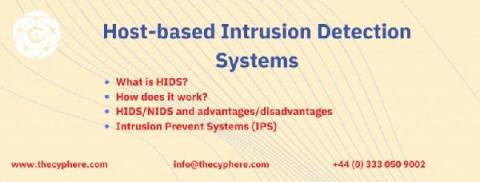
Host-based Intrusion Detection System - Overview and HIDS vs NIDS

Although a business appears to make every effort to protect its assets, there is still no security guarantee. Hackers being fully aware of this uncertainty, tend to take complete advantage by tricking users or bypassing restrictions of the technology products in use, allowing them to acquire complete access. Such perils have given rise to the necessity of having a proactive approach towards cyber security to identify, prepare and respond to events.

Featured Post

5 Tips for Building a Culture of Security Among Remote Employees

In one of our previous posts, we highlighted the importance that making security a part of your organizational culture played in keeping your remote workforce secure during the COVID-19 pandemic. But what does that entail? In this post, we're going to flesh out key steps that security teams and their leadership should take in order to make a strong culture of security a reality within their organizations.

Cyberattack on Florida's water treatment plant: What it means to global organizations

The recent news of a cyberattack on a water treatment plant carried out by a remote perpetrator came as a shock to organizations around the world. Earlier this month, an unauthorized threat actor had remotely accessed the plant’s control systems via TeamViewer and used it to increase the amount of sodium hydroxide (lye) in water to dangerously higher levels.

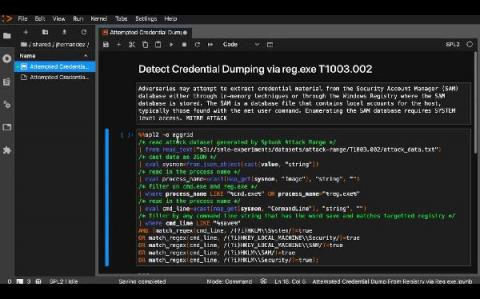
Threat Hunting With ML: Another Reason to SMLE

Security is an essential part of any modern IT foundation, whether in smaller shops or at enterprise-scale. It used to be sufficient to implement rules-based software to defend against malicious actors, but those malicious actors are not standing still. Just as every aspect of IT has become more sophisticated, attackers have continued to innovate as well. Building more and more rules-based software to detect security events means you are always one step behind in an unsustainable fight.

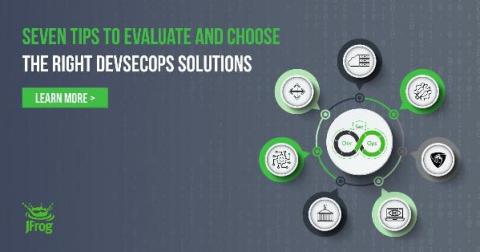
Seven Tips to Evaluate and Choose the Right DevSecOps Solutions

Demand for DevSecOps products has been growing strongly, as more companies realize the importance of integrating security into their DevOps pipelines. However, IT and DevOps pros who dive into the DevSecOps market looking for options quickly realize that the number of DevSecOps tools and frameworks is vast and confusing.

How to Perform a Data Protection Impact Assessment (DPIA)

Conducting a data protection impact assessment (DPIA) or privacy impact assessment (PIA) is a complex and challenging task. Nevertheless, it’s critical to do. Data privacy concerns have become a significant focus across all industries, and for good reason: data is at higher risk than ever before. In its 2020 Q3 Data Breach QuickView Report, Risk Based Security revealed that 36 billion records were exposed during the first three quarters of 2020.