4 Categories of Container Security Vulnerabilities (& Best Practices to Reduce Risk)

Containerization is becoming increasingly common due to portability, ability to isolate application dependencies, scalability, cost effectiveness, and ease of use. The ability to easily package and deploy code has changed the way that organizations work with applications. But like with Windows servers years ago, or AWS today, any time one specific technology gains a significant portion of the market share, it becomes a target for attackers.

4 Strategies to Stay Secure in a Connected World

Cybersecurity is a complex term, it’s become all-encompassing and constantly evolving to include new and emerging technologies, attacks, actors, and a myriad of other points. What this means for organizations large, medium, and small is that each must have a cybersecurity plan in place. An interesting point, however, is despite the mindshare cybersecurity now enjoys, the industry itself is still in its relative infancy.

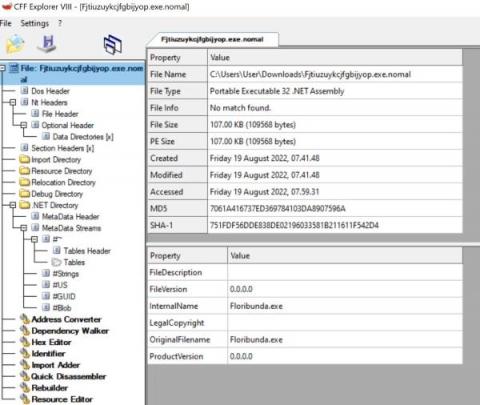
Redline Infostealer Analysis (Part 2)

Redline infostealer gathers information and steals high value data from an infected machine. The Redline infostealer is considered one of the most dangerous malware currently being used in the wild and has been used in countless trojanized software, applications, games and cracked software. In addition to data exfiltration, Redline also has the capability to connect to a command and control (C2) server to download, upload files as well as perform remote commands.

5 Advanced DevSecOps Techniques to Try in 2023

If you’re here, you know the basic DevSecOps practices like incorporating proper encryption techniques and embracing the principle of least privilege. You may be entering the realm of advanced DevSecOps maturity, where you function as a highly efficient, collaborative team, with developers embracing secure coding and automated security testing best practices.

Should your team really run DAST in staging environments?

TL;DR: There is a common belief that when it comes to uncovering bugs in the DevSecOps cycle, catching things early on is often better. While this approach certainly works well for Software Composition Analysis (SCA) and Static Application Security Testing (SAST), it doesn’t really apply to Dynamic Application Security Testing (DAST) in modern environments.

How CISOs Can Transform their SOC: Technological and Economic Considerations

Our SOC Performance Report found that it takes an average of seven months to fill open SOC positions, and 55% of those doing the hiring are struggling to find qualified staff. As a result, SOC resources are strained, putting the team at risk for fatigue and burnout, which can cause them to miss critical alerts. Research has shown this is a widespread issue, too, as most SOCs waste an average of 10,000 hours annually validating unreliable and incorrect alerts.