The Business of Biometrics: Data Protection and Ethical Standards in Cyber Security

In this episode, I am joined by Chris Dawson and Iain Pye to talk about the biometric technology, what can be done to improve it, and how it might be utilised in the future. In this episode, we covered the following topics: We discuss biometrics and the security and management of the data collected, and how the data has been collected and used by the government, the military, and corporations. We also talk about the moral and legal issues of how biometric data is used and stored, and how individuals can be put at risk.

Take GitHub threats seriously: The largest code-sharing platform is extending your attack surface

In 2021, GitGuardian scanned over 1 billion data points on GitHub.com, and the results were stunning. More than 6 million secrets – think API keys, database connection strings, and private certificates – were exposed on the platform! Even more striking is the share of secrets and sensitive data exposed on the personal repositories of developers or open-source projects, of which SecOps teams lack visibility and control.

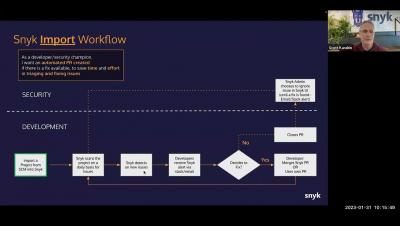
Snyk Workflows - Basic Workflows (IDE & CLI)

Snyk integrates with your IDEs, repos, workflows, and automation pipelines to add security expertise to your toolkit. The “menu” of options available to you is extensive, so we created this three-part series to get you started and running. The first session covers basic workflows in the IDE and CLI. You’ll learn to proactively plan how to leverage Snyk in different places and different ways. We will cover basic workflows and how to use them, as well as quick tips.

Denial-of-Service Attacks: History, Techniques & Prevention

As its name indicates, Denial of Service (DoS) is any cyberattack that renders the target service inaccessible to legitimate users and information systems. That is, you're trying to access a web page or web service and it's just down, not working. The most common way attackers achieve this is by flooding the host servers and network with excessive traffic, such that the host server crashes or fails to respond in an acceptable duration. The denial-of-service style of attack is a common one.

When is the right time for vulnerability scanning?

All it takes for cybercriminals to breach your mission-critical networks, database, and IT systems is a single unpatched vulnerability. To prevent this and maintain good cyber hygiene, you need to obtain real-time vulnerability data. ‍ Vulnerability scans generate a lot of data that when analyzed reveal several security flaws.