Safeguarding Patients' Personal Health Information: 7 Steps to Achieving HIPAA Compliance with Trustwave DbProtect

The Health Insurance Portability and Accountability Act, best known as HIPAA, is one of the most well-known healthcare privacy laws in the United States. The primary objective of HIPAA is to safeguard patients' Personal Health Information (PHI). HIPAA's Security and Privacy rules establish guidelines for protecting Electronically Protected Health Information (EPHI), and Trustwave DbProtect is a powerful tool to help achieve this goal.

Cactus Ransomware, BlackSuit, and more: Hacker's Playbook Threat Coverage Round-up: June 29, 2023

In this version of the Hacker’s Playbook Threat Coverage round-up, we are highlighting newly added coverage for several recently discovered or analyzed ransomware and malware variants, including Cactus ransomware and BlackSuit ransomware, amongst others. SafeBreach customers can select and run these attacks and more from the SafeBreach Hacker’s Playbook™ to ensure coverage against these advanced threats.

Securing Privileged Access in a Remote Work World: Challenges and Best Practices

In today's disconnected world, the task of managing privileged access has become increasingly challenging. The surge in remote work has exposed employees to new vulnerabilities as they access sensitive systems and data from unsecured networks and personal devices, making them attractive targets for cyberattacks. To combat these risks, organizations must adopt Privileged Access Management (PAM) solutions.

Understanding Proxies: The Four Principal Use Cases

The function of a proxy can be likened to that of a mediator between a device and the internet at large. By substituting your IP address with its own, a proxy intercepts and manages all of your traffic. Using a separate IP address can be advantageous for several reasons. For instance, proxy servers afford the user more governance over their internet access, offering control over the amount of data that websites and services can acquire about you.

Stories from the SOC: Fighting back against credential harvesting with ProofPoint

Credential harvesting is a technique that hackers use to gain unauthorized access to legitimate credentials using a variety of strategies, tactics, and techniques such as phishing and DNS poisoning. Phishing is the most frequent type of cyber threat and can lead to more harmful attacks such as ransomware and credential harvesting. According to recent research, phishing assaults targeted credential harvesting in 71.5% of cases in 2020.

How does Elastic Security drive value to your organization?

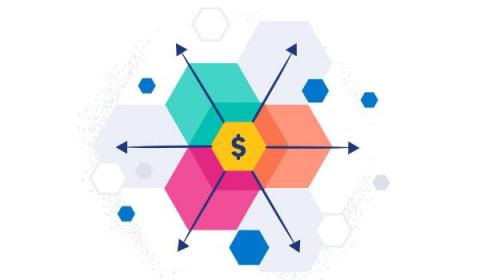
Introducing the new Elastic Security Value Calculator. With this tool, you can quickly quantify the financial efficiencies Elastic® can deliver for your organization. Estimate Elastic's value to your organization. Visualize how Elastic Security improves KPIs around risk, costs, and productivity. The numbers tell the story: achieving holistic visibility reduces risk, improves productivity, and drives cost savings and revenue recovery.

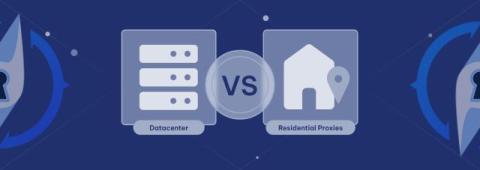
Residential vs. Datacenter Proxy: A Comprehensive Comparison

Proxies play a transformative role in expanding the possibilities of internet usage. While both datacenter and residential proxies offer the benefit of hiding your real IP address and ensuring online privacy, they also have additional features that set them apart. In this article, we will delve into the details of these proxies, highlighting their differences and helping you make an informed choice.

PCI DSS 4.0 Requirements - Restrict Physical Access and Log and Monitor All Access

Most data crimes are the result of online compromises. This makes sense, as the criminals don’t need to know any of the old, dirty, hands-on techniques such as lock-picking, dumpster diving, or any other evasive maneuvers to carry out a successful attack. However, this doesn’t mean that the old methods are completely defunct. Physical security is still an important facet of a complete security program.