Residential vs. Datacenter Proxy: A Comprehensive Comparison

Proxies play a transformative role in expanding the possibilities of internet usage. While both datacenter and residential proxies offer the benefit of hiding your real IP address and ensuring online privacy, they also have additional features that set them apart. In this article, we will delve into the details of these proxies, highlighting their differences and helping you make an informed choice.
PCI DSS 4.0 Requirements - Restrict Physical Access and Log and Monitor All Access

Most data crimes are the result of online compromises. This makes sense, as the criminals don’t need to know any of the old, dirty, hands-on techniques such as lock-picking, dumpster diving, or any other evasive maneuvers to carry out a successful attack. However, this doesn’t mean that the old methods are completely defunct. Physical security is still an important facet of a complete security program.

Financial Services is Leading the Pack in Placing Controls Around ChatGPT

ChatGPT use is increasing exponentially in the enterprise, where users are submitting sensitive information to the chat bot, including proprietary source code, passwords and keys, intellectual property, and regulated data. In response, organizations have put controls in place to limit the use of ChatGPT. Financial services leads the pack, with nearly one in four organizations implementing controls around ChatGPT.

What is the FFIEC Cybersecurity Assessment Tool?

The FFIEC Cybersecurity Assessment Tool (CAT) is a diagnostic test designed to help institutions identify risks and gauge cybersecurity preparedness. The tool is primarily for financial and non-depository institutions, enabling organizations to make risk-driven security decisions informed by regular cybersecurity assessments and standardized risk measurement criteria.

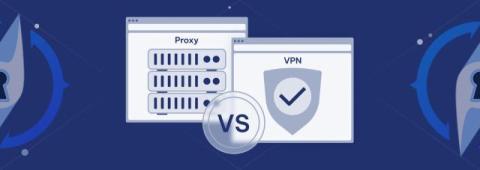
Deciphering the Differences: Proxy vs. VPN

When it comes to fortifying the privacy and security of your internet connection, proxies and VPNs (Virtual Private Networks) typically emerge as the go-to options. Both these tools excel at safeguarding your online identity, leading many businesses, institutions, and individuals to use them interchangeably. However, they operate quite distinctively. To decide on the most suitable tool for your browsing requirements, it’s vital to comprehend their differences.

Cyberstalking vs Cyberbullying vs Cyber Harassment: What's the Difference?

According to Pew Research, 41% of Americans have experienced some form of online harassment – and the severity of incidents has been getting worse over time. Understanding what different types of online harassment look like, and what behaviors harassers engage in, can help you recognize and address it. Keep reading to learn about the different types of online harassment, consequences of online harassment and how to avoid becoming a target.