Windows 11 Migration - Tanium Tech Talks #67
Handle Windows 11 migration with the speed and scale of Tanium.

Information security is vital to business continuity. Organizations trust their IT teams to enable innovation and business transformation but need them to safeguard digital assets in the process. This leads some leaders to feel that their information security policies are standing in the way of innovation and business agility.
Incorporating security into the software development lifecycle helps ensure the creation of secure and robust software applications from the very beginning. To further evolve our security offerings in the developer community, we announced our partnership with Atlassian to introduce Snyk Security in Jira Cloud as a part of the Security in Jira launch in June. Snyk started gradually rolling out the Jira Security App and has significantly improved the functionality and features available to users.
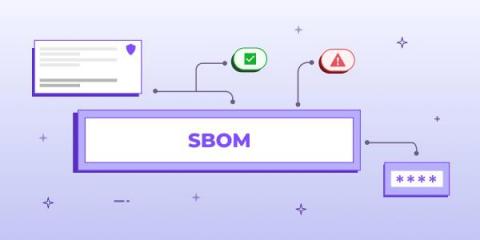
In a world where software tools are spawning businesses each day, and cyberattacks and threats are increasing rapidly, ensuring the clarity and security of these tools has become a top priority. Regulators suggest new tools and standards to ease the complexities in a software supply chain. One such tool is the Software Bill of Materials (SBOM). It lists all the components used in building the software and helps identify the weak spots.
Common indicators of a phishing attempt include warnings from your email service provider, urgent language, threat of dire consequences, too-good-to-be-true offers and more. Continue reading to learn what to look for to spot phishing attempts and how to keep yourself protected.
A firewall that runs 24/7 requires a good amount of computing resources. Especially if you are running a complex firewall system, your performance overhead can actually slow down the overall throughput of your systems and even affect the actual functionalities of your firewall. Here is a brief overview of common firewall performance issues and the best practices to help you tune your firewall performance.
As modern software becomes increasingly cloud-based and containerized, application security tools must adapt to meet new challenges and provide security coverage across the software development lifecycle (SDLC). The use of container platforms like Docker and orchestration tools like Kubernetes inherently solves some security concerns – but containers are not without risk, and can even inject some new risks into your organization’s software.
On August 8, 2023, the.NET community was informed that the testing library called Moq exfiltrates developer's emails from their development machine and sends them off to third-party remote servers. Snyk has already published a security advisory and will alert developers who scan and monitor their.NET projects with Snyk.
Where do vulnerabilities fit with respect to security standards and guidelines? Was it a coverage issue or an interpretation and implementation issue? Where does a product, environment, organization, or business vertical fail the most in terms of standards requirements? These questions are usually left unanswered because of the gap between standards or regulations on the one hand, and requirements interpretation and implementation, on the other.
Calico has recently introduced a powerful new policy recommendation engine that enables DevOps, SREs, and Kubernetes operators to automatically generate Calico policies to implement namespace isolation and improve the security posture of their clusters.