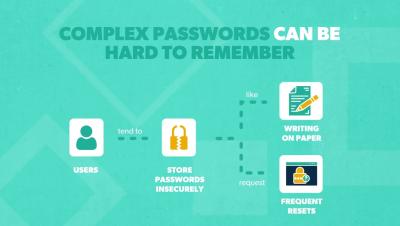
Password Length vs Complexity: Which Is More Important?

In this video, learn about the differences between password length and complexity, which is more important, and four tips to improve password security in your organization. Learn more about: Resources and social media: Transcript: It’s no secret that passwords aren’t foolproof. In fact, the most common way that hackers infiltrate an organization is through stolen credentials. But until the day that everything has shifted to passwordless authentication, passwords are still necessary. So, how can we make them as strong and effective as possible?
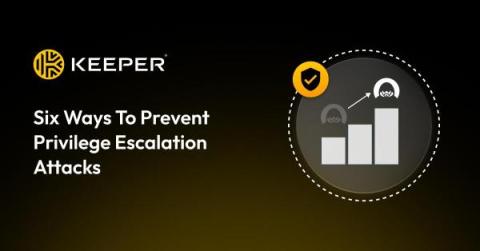
Six Ways To Prevent Privilege Escalation Attacks

Organizations need to prevent privilege escalation attacks to protect their sensitive data from unauthorized access. To prevent privilege escalation attacks, organizations should implement least privilege access, follow password security best practices, enforce Multi-Factor Authentication (MFA), keep software up to date, monitor network traffic and regularly run penetration tests.

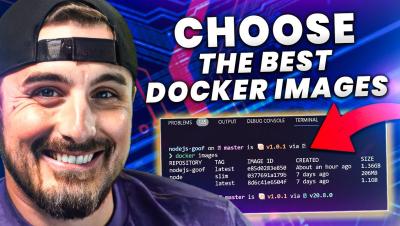
How to choose the Best Node.js Docker Image

Today we walk through the best options for your Node.js Docker Image, how to avoid common pitfalls and mistakes, and the best ways to strengthen the security of your projects effectively. ⏲️ Chapters ⏲️ ⚒️ About Snyk ⚒️ Snyk helps you find and fix vulnerabilities in your code, open-source dependencies, containers, infrastructure-as-code, software pipelines, IDEs, and more! Move fast, stay secure.

Zero Trust requires unified data

It’s vital to have a common understanding and shared context for complex technical topics. The previously adopted perimeter model of security has become outdated and inadequate. Zero Trust (ZT) is the current security model being designed and deployed across the US federal government. It’s important to point out that ZT is not a security solution itself. Instead, it’s a security methodology and framework that assumes threats exist both inside and outside of an environment.

Driving Security: Integrating Automotive Cybersecurity with the IoT Landscape through WP.29 Standards

In today’s digital age, where cars have evolved into data centers on wheels within the Internet of Things (IoT) landscape, ensuring cybersecurity in the automotive industry has become paramount. The emergence of connected cars, a significant subset of IoT, brings with it a host of cybersecurity challenges, prompting regulators to take swift action. One such pivotal step is the establishment of WP.29 standards, revolutionizing automotive cybersecurity.

New and Improved Packages from JumpCloud

IT professionals are the people who Make Work Happen™ throughout their organization — so it’s important they have the right tools at their fingertips. We believe that the best tools are those that can adapt to meet their needs as they evolve. This ethos drives the continual investment in the JumpCloud platform based on regular user input and feedback. As we’ve collected and acted upon customer feedback over the last couple of years, the JumpCloud platform has grown significantly.

What Is an Axon Agent, and Why Do You Need One?

The number of endpoints in an organization often exceeds the number of employees. Managing these often disparate entities is more than a full-time job. Moreover, keeping them secure is equally difficult, yet securing all of your endpoints against cyber threats has become paramount for organizations worldwide. A common oversight that undermines these security efforts is the misconception about data volume versus the necessity for comprehensive data collection.

CrowdStrike Falcon Next-Gen SIEM Unveils Advanced Detection of Ransomware Targeting VMware ESXi Environments

CrowdStrike Falcon Next-Gen SIEM, the definitive AI-native platform for detecting, investigating and hunting down threats, enables advanced detection of ransomware targeting VMware ESXi environments. CrowdStrike has observed numerous eCrime actors exploiting ESXi infrastructure to encrypt virtual machine volumes from the hypervisor to deploy ransomware in organizations. Access to ESXi infrastructure typically takes place as part of lateral movement.