Alissa Starzak on Internet regulation, elections, and Project Galileo's decade

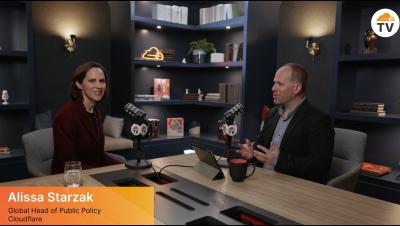
In this week’s episode, we feature a segment all about policy, Internet regulation, and the 10th anniversary of our Project Galileo. Host João Tomé is joined by Alissa Starzak, Global Head of Policy at Cloudflare, to discuss policy and regulation in 2024. This conversation was recorded in early May 2024 in our San Francisco office. We begin with Alissa’s impressive background, from the private sector to the CIA, the US Army, and then Cloudflare.

Integrate Identity and Access Management with HIPAA, NIST, GDPR and CCPA in Healthcare

The healthcare sector is a top target of cyber criminals eager to steal sensitive data and extort high ransoms. The key to thwarting costly attacks is to understand that identity is the new security perimeter. By implementing robust identity and access management (IAM), healthcare organizations can significantly enhance their security and cyber resilience. This article explains the role of IAM in healthcare and details the most pressing IAM gaps to address.

The SIEM vs. XDR debate: industry perspectives

How many times can we say, “It’s been a busy week for the security industry,” before it becomes cliche? We recently discussed changes in the SIEM market, with mergers and acquisitions disrupting the traditional SIEM vendor landscape and XDR vendors introducing new SIEM solutions. This week, we continue to see a range of mixed messages from the market around the future of XDR and SIEM.

What are the Components of an Excellent Offensive Security Program

In the dynamic world of cybersecurity, creating an effective offensive security program is paramount for organizations seeking to proactively identify and mitigate potential threats. An offensive security program encompasses a suite of strategic components designed to test and strengthen an organization's defenses. An effective offensive security program includes various components, such as penetration testing, red/purple teaming, managed vulnerability scanning, and bug bounty programs, to name a few.

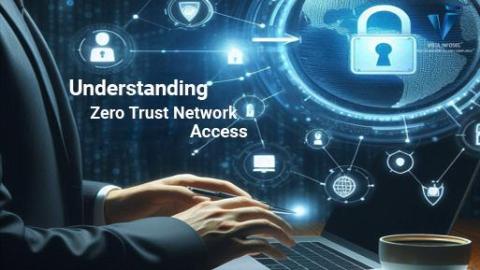
Understanding Zero Trust Network Access and Why Needs It

As flexible working arrangements become increasingly common across every industry, companies need secure, dependable ways to grant remote employees online access to company data, services, and applications. Productivity in today’s highly digital business environment depends upon employees being able to access the systems and information they need for work when needed, from any location.

Launching new domains view and enhanced policies for unprecedented control over attack surface data

We’ve recently announced a new Domains page and major improvements to existing capabilities for setting custom attack surface policies. These updates bring unprecedented control over attack surface data and enable organizations to seamlessly configure alerts for policy breaches based on their unique definition of risk, a feature unmatched by any other player in the EASM space. With the new Domains page and the major improvements to Attack Surface Policies, customers can benefit from.

5 Types of Clone Phishing Attacks and Best Protection Strategies

Imagine: You get an email from your bank alerting you to a suspicious login attempt. It looks identical to their usual security notices, down to the logo and phrasing. You click the link to review the activity, log into your account—and unwittingly hand your credentials over to a cybercriminal. This is the reality of clone phishing.