Embargo Ransomware Expands Attacks to Cloud Environments

Ransomware continues to evolve, and the latest escalation in tactics comes from the Embargo ransomware group. Threat actor Storm-0501, known for its previous ties to various ransomware groups, has now shifted its focus towards hybrid cloud environments, targeting both on-premise and cloud-based systems. This strategic shift poses significant risks for organizations relying on cloud infrastructure, particularly those in critical sectors such as healthcare, government, transportation, and law enforcement.


The critical risk in DORA financial regulations

Supply chain attacks are a growing concern, particularly within the financial sector, with attackers increasingly using key technology suppliers as a ‘jumpbox’ to pivot into their intended target organisation. Last year’s MOVEit breach for instance saw a single ICT supplier ultimately cause ~2,356 organisations to be compromised, with primary victims predominantly in the financial sector.

Novel Exploit Chain Enables Windows UAC Bypass: Understanding CVE-2024-6769

Researchers have uncovered a new vulnerability, tracked as CVE-2024-6769, which enables attackers to bypass Windows User Access Control (UAC) and elevate their privileges to gain full system control without triggering any alerts. This exploit, affecting Microsoft’s Windows platform, has sparked debate about whether UAC truly acts as a security boundary. While Microsoft does not classify this as a vulnerability, security experts warn organizations to be vigilant about the risks involved.

New Features in Teleport Policy provide more insight into infrastructure policy risks

As modern organizations grow in size and complexity, managing secure access to computing infrastructure becomes a top priority. Teleport has introduced new features in Teleport Policy 16 aimed at making this easier and more efficient. With these enhancements, organizations can take a more proactive approach to security, ensuring better oversight and reducing potential risks.

Cyberattacks in the education sector up 258% last academic year

Cybercriminals are targeting educational institutions, attracted by the vast amount of sensitive data they handle: student and employee personal information, research, and intellectual property. With tight technology budgets and often weak defenses, many of these organizations are easy prey for increasingly complex cyberattacks, putting their reputation and operations at risk.

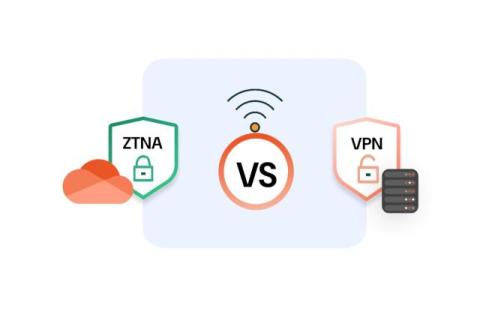
ZTNA vs VPN - Whats the Best Security Solution?

Work from home (WFH) remains a common practice for many businesses worldwide. This working model has enabled companies to hire top talent across borders, boost revenue, and improve employees work-life balance. A new report by Tata Consultancy Services (TCS) claims that, by 2025, 40% of employees around the world will work from home. However, this growing trend also brings about a range of cybersecurity risks that could impact businesses significantly.

All in on flexible and efficient integrations

Our users secure products and services developed by dozens of distributed technical teams. They rely on tools like Detectify to prioritize and triage vulnerability findings onward to development teams to remediate. This process is anything but straightforward, which is why we’re excited to see our users utilize our integration platform in ways that help them work efficiently alongside their tech teams.

AWS Launches Improvements for Key Quarantine Policy

Recently, AWS expanded the scope of their AWSCompromisedKeyQuarantine policies (v2 and v3) to include new actions. This policy is used by AWS to lock down access keys that they suspect have been compromised. A common example of this process in action is when AWS automatically applies the quarantine policy to any keys found by scanning public GitHub repositories. This proactive protection mechanism can stop compromises before they happen.

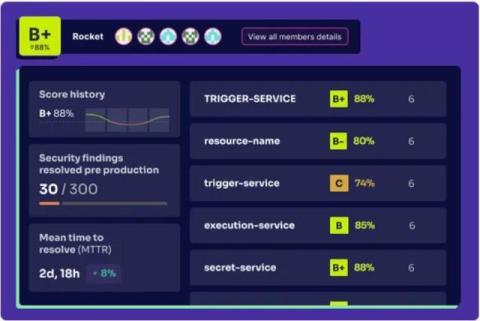
Empower Development Teams to Own the Security of Their Services with Jit Teams

When it comes to securing applications in the cloud, the challenge isn’t detecting potential security issues. There are hundreds of application security tools and cloud security tools that are capable of surfacing code flaws and security misconfigurations that could lead to vulnerabilities. The real challenge is empowering development teams to adopt these tools to consistently improve the security posture of their services.