Exploring AI for Vulnerability Investigation and Prioritisation

The sheer volume of cybersecurity vulnerabilities is overwhelming. In 2024, there were 39,998 CVEs — an average of 109.28 per day! This constant stream of new threats makes it increasingly difficult for security teams to keep up. Large Language Models (LLMs) offer a possible solution, helping automate vulnerability investigation and prioritisation, allowing teams to more efficiently assess and respond to emerging risks. Do you even have time to skim over 109 CVEs a day?

Security Update: Publicly Exposed Ingress NGINX Admission

A series of vulnerabilities, known as IngressNightmare (CVE-2025-1097, CVE-2025-1098, CVE-2025-24514, CVE-2025-1974), have been identified in ingress-nginx, a widely used Kubernetes ingress controller. When exploited together, these vulnerabilities allow for configuration injection through the Validating Admission Controller.

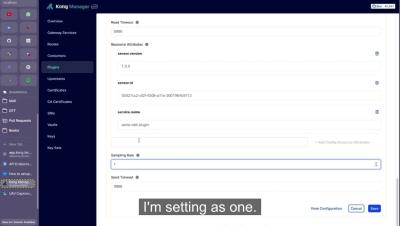
Kong Gateway Integration: Secure API Traffic with Astra

Kong API Gateway is widely used to manage API traffic efficiently, but ensuring its security requires a proactive approach. By integrating Astra’s API Security Platform with Kong, you can gain real-time insights into API activity, detect vulnerabilities, and block potential threats before they impact your systems.

2025 Healthcare Cybersecurity Threats: Insights from the Trustwave Risk Radar Report

The healthcare industry, with its highly prized electronic health records, a myriad of connected devices, continued use of legacy systems, and expanding telehealth services, is a premier target for threat actors. To properly dissect the issues facing the healthcare industry, Trustwave SpiderLabs has updated its earlier healthcare cybersecurity coverage with the just-released 2025 Trustwave Risk Radar Report: Healthcare Sector - A New Era of Cybersecurity Challenges.

Hunting with Elastic Security: Unmasking concealed artifacts with Elastic Stack insights

Attackers thrive in the shadows, using MITRE ATT&CK T1564 - Hide Artifacts to cloak their presence with hidden files, concealed processes, and manipulated registry keys. These stealth tactics allow adversaries to evade detection, persist undetected, and escalate their access — all while quietly exfiltrating data or disrupting operations. Imagine files, processes, and even user accounts disappearing in your environment without a trace.

Insider Risk with Nightfall DLP: Episode 2 - Managing Shadow AI

Earlier this year, security researchers found more than 1 million records, including user data and API keys, in an exposed DeepSeek database. This massive exposure event tells us that data exfiltration risk and AI proliferation are forever linked together: as AI tools grow in popularity and complexity, exfiltration risk rises in kind.

Remediation Made Easy: Reducing Risks and Driving Vendor Action

Managing the vendor remediation process is no small feat. While on the surface, it might seem like the bulk of the heavy lifting is done once you complete your initial assessment, you (and every other security team on the planet) know this couldn’t be further from the truth. After all, if your team doesn’t constantly track remediation efforts and validate corrective actions, how else are you supposed to ensure vendors effectively mitigate the risks you identified?

2025 Trustwave Risk Radar Report: Healthcare Sector: Key Risks and Defensive Measures

The healthcare industry, with its vast repository of electronic health records, a growing network of connected devices, reliance on legacy systems, and expanding telehealth solutions, continues to be a prime target for cyber threats. To provide deeper insights into these evolving risks, Trustwave SpiderLabs has expanded its healthcare cybersecurity research with the newly released 2025 Trustwave Risk Radar Report: Healthcare Sector - A New Era of Cybersecurity Challenges.