Can You Really Pair Program with AI? (Aider & Cohere)

A new wave of AI development tools is changing how we write code, but can AI truly replace a human coding partner? In this video, we explore the capabilities of Aider and Cohere, two tools built to support real-time, conversational pair programming. We’ll break down how they work, where they shine, and the surprising limitations that came up during testing. Whether you're an experienced developer or simply curious about the future of coding, this deep dive will give you a clear picture of where AI-assisted programming stands today.

Security and SRE: How Datadog's combined approach aims to tackle security and reliability challenges

Security is essential to cloud-based development, but integrating it into dynamic, distributed environments is difficult. Factors like complex architectures and operational constraints often create roadblocks, which makes it harder to enforce security policies and mitigate threats. These challenges are especially apparent within security organizations, where siloes limit their ability to keep pace with the larger organization as it scales.

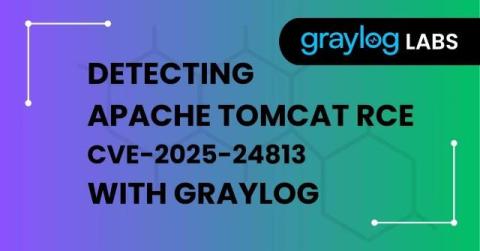
Adversary Tradecraft: Apache Tomcat RCE

CVE-2025-24813 is a critical vulnerability (CVSS base score of 9.8) affecting Apache Tomcat, a widely used open-source web server and servlet container. This issue affects Apache Tomcat: In this blog, we’ll simulate an attack and look at the activity within Graylog. Throughout the analysis, and at the conclusion of the post, we’ll provide practical threat-hunting and detection strategies you can implement in your own environments.

Cyber Threat Intelligence to Counter Activist Campaigners

A new activist group is targeting insurance companies. Boycott Bloody Insurance (BBI) aims to raise awareness of the insurance industry’s role in perceived global injustices. Escalatory tactics that disrupt insurers’ day-to-day operations are possible. This may include physical threats against premises and individuals and/or logical threats, such negative social media or cyberattacks.

The Modern Kill Chain: An On-Demand Session from FCW, NextGov and Lookout

As federal agencies shift beyond perimeter defenses, cyber threats are evolving—targeting identity, data, and mobile devices at the front line of today’s attacks, which can now infiltrate systems and exfiltrate data in minutes rather than months. While Zero Trust provides the foundation for defense, starting with a simple mobile threat defense solution can break down modernization barriers. Learn how a mobile-first approach strengthens Zero Trust, accelerates modernization, and safeguards federal networks from the modern kill chain.

How to Make SaaS Web Apps PCI DSS Compliant

PCI DSS stands for the Payment Card Industry Data Security Standard. A set of rules that helps businesses protect payment card data. Major credit card companies created these rules to reduce the risk of security breaches and other threats. Today, these standards are essential for organizations that handle card-based transactions. If you run a SaaS security platform, you may rely on web apps to process payments. Following security standard pci dss principles helps you gain trust from your customers.

Lucid, the Phishing-as-a-Service Platform - The 443 Podcast - Episode 325

This week on the podcast, we discuss a recent threat intelligence report on the Chinese Phishing-as-a-Service platform Lucid. Before that, we cover the alleged Oracle Cloud breach before reviewing the Singapore Shared Responsibility Framework, designed to combat financial scams.

Mastering Cybersecurity Incident Communication Part 1: A Proactive Approach

Cybersecurity threats are no longer a matter of "if" but "when." While companies invest heavily in technical defenses, one important aspect often gets overlooked — communication. How an organization communicates during a cybersecurity incident determines the speed and effectiveness of its response, as well as the level of trust it maintains with stakeholders.