It's Time! All PCI 4.0 Requirements Are Now in Effect

Since April 2025, version 4.0.1 of the PCI DSS standard has become the sole reference for all companies handling payment card data. Whether it involves processing, storing, or simply transmitting, the security of banking data has become a non-negotiable priority in a digital world that is more vulnerable than ever. The digital landscape of endless online payment transactions across various sectors.


Strengthen Your Cyber Insurance Position: Why Proactive API Security is Key

Navigating the cyber insurance market in 2025 feels tougher than ever. Premiums are rising, requirements are stricter, and underwriters are scrutinizing security controls with unprecedented detail. While you're likely focused on endpoint security, MFA, and backups, are you overlooking a critical attack surface that insurers increasingly care about?

As Vishing Gains Momentum, It's Time to Fight Back

The mechanisms and dangers of email phishing are well known, as are the best practices for hardening organizations against it. Its spin-off, called vishing, is nothing new, but it’s both rapidly evolving, and unlike the more mainstream counterpart, too often overlooked by security professionals. According to the CrowdStrike 2025 Global Threat Report, these offbeat attacks saw a 442% increase in the second half of 2024 compared to the first half of the year.

Empowering EHR Developers with Secure DevOps and Intelligent Automation

Healthcare organizations worldwide demand powerful, secure,,e and intelligent electronic health record systems that can accommodate rapid digital transformation in the healthcare industry. Healthcare transformation puts EHR developers in two essential roles, which involve constructing trustworthy clinical data systems as well as securing sensitive patient data while maintaining compliance with regulations. The integration of Secure DevOps practices with intelligent automation now represents an absolute necessity for developing successful EHR systems in this critical work environment.

Top 4 Cybersecurity Threats Facing Businesses Today

Keeping your business data safe is more important than ever. As more companies use technology and remote work grows, the risk of cybersecurity threats increases. No matter the size or small business can be a target. To stay safe, businesses need strong cybersecurity plans and must know what threats to watch out for. In this post, we'll look at the top cyber threats businesses face today and how to guard against them. Let's get started and learn how to protect your business from these risks.

The Evolving Threat Landscape: How Authentication Management Is Key to Protecting Your Business from Fraud

As cybercrime continues to evolve, businesses face an increasing number of sophisticated fraud attempts. From identity theft to financial fraud, the digital age has brought about new challenges in maintaining security. One of the most effective ways to mitigate the risks associated with these threats is through strong authentication management. By employing robust authentication measures, companies can significantly reduce the likelihood of fraud, ensuring their operations remain secure and trustworthy.

Top Cybersecurity Vulnerabilities to Watch Out For

With cyberattacks and data breaches growing at alarming rates worldwide, becoming aware of cybersecurity vulnerabilities is crucial. Last year, data security breaches cost USD 9.5 trillion to companies of all sizes around the world. The daring figure represents a 10% increase compared to 2023, and the upward trend is scarily steep.
Featured Post

How to keep major worldwide sporting events on secure ground using threat intelligence reporting

As we look at the sporting calendar for 2025 with the UEFA Women's European Championship in Switzerland and the Tour de France in July, as well as the 2025 Women's Rugby World Cup in the UK starting in August, armchair sportspeople and in-person spectators are spoilt for choice. But aside from the marvel of watching athletes compete to achieve their dreams, the organization (and security) of such events requires meticulous planning, particularly as dates are fixed and immovable. To put this into context, the Olympic Games are one of the most widely covered sporting events in the world, with an audience of more than 4 billion viewers.

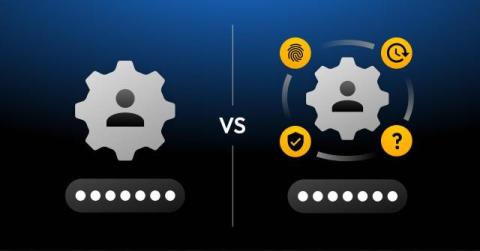
How Does PAM Differ From Traditional Password Management?

Many businesses confuse traditional password management tools with Privileged Access Management (PAM) solutions. While both aim to secure credentials and reduce the risk of unauthorized access, they serve very different purposes. Traditional password managers are designed to store and organize login credentials for everyday user accounts, helping individuals and teams manage passwords more efficiently.