Torq + SSDLC: Where Secure Automation Begins

Legacy SOAR solutions emerged in an era of traditional, static on-premises networks with fewer sophisticated threats. But today’s cybersecurity landscape is dramatically different — attack surfaces rapidly evolve, threats are multifaceted, and cybersecurity talent is increasingly scarce. As organizations struggle with sprawling security stacks and burned-out SOC teams, legacy SOAR solutions reveal their significant limitations.

Riscosity Launches The DFPM Trust Center

For a AI software company like Riscosity, which helps organizations secure and govern data flows to third parties, compliance is not just a regulatory requirement—it is central to the value proposition. Recognizing this, Riscosity has launched a dedicated Trust Center at trust.riscosity.com, powered by industry leader Vanta, to streamline how it communicates its compliance posture with current and prospective customers.

Strengthen Security Strategy Without Expanding Your Team: How Network Digital Twins Empower Smarter Cyber Defense

Cybersecurity is no longer just a tech issue—it's a priority that sits right at the boardroom table. With escalating cyberattacks that are becoming both more frequent and complex, the pressure is on for CIOs and CISOs. The implications of not having clear visibility into our networks can be dire. According to Cybersecurity Ventures, the financial toll of cybercrime could reach a staggering $9.5 trillion by 2024—almost three times what it was in 2015.

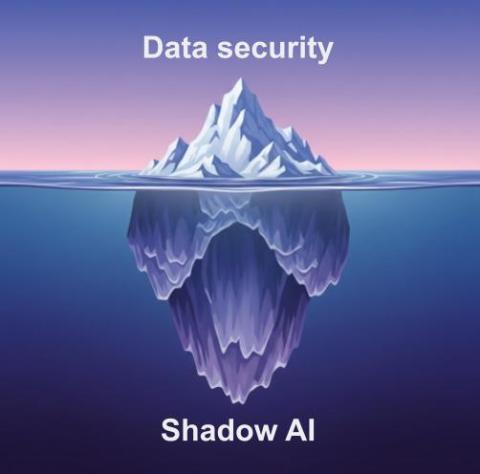
The Nightfall Approach: 5 Ways Our Shadow AI Coverage Differs from Generic DLP

Shadow AI refers to the unauthorized or unmonitored use of AI tools (like ChatGPT, Copilot, Claude, and Gemini) by employees in the workplace. It’s now one of the fastest-growing data exfiltration vectors. Employees are pasting source code, customer or patient data, contract terms, and even M&A info into gen AI tools, often without realizing the risk. And many legacy DLP tools are still catching up.

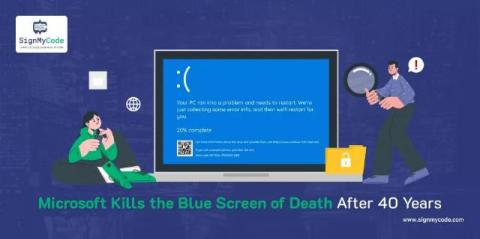
Microsoft Kills the Blue Screen of Death After 40 Years: Meet the New Black Screen of Death

Microsoft just made history. But not the kind you’re used to. For nearly four decades, the Blue Screen of Death (BSOD) haunted Windows users. One minute you’re sipping coffee. Next, your screen goes blue with a sad emoji and cryptic codes. However, Microsoft has now officially pulled the plug on this iconic crash screen.

From Reactive to Proactive AppSec: Your Security Team's Secret Weapon! #cybersecurity

Mend.io, formerly known as Whitesource, has over a decade of experience helping global organizations build world-class AppSec programs that reduce risk and accelerate development -– using tools built into the technologies that software and security teams already love. Our automated technology protects organizations from supply chain and malicious package attacks, vulnerabilities in open source and custom code, and open-source license risks.

Shifting from Vulnerability Management to Security Risk Prioritization with AI

The adage ‘an ounce of prevention is better than a pound of cure’ applies to AppSec vulnerability management. Traditionally, AppSec has focused on a reactive ‘curing flaws’ paradigm, identifying and fixing vulnerabilities after they have occurred. However, the never-ending escalation between threats and security leads to alert fatigue and security debt.

Kubernetes Is Powerful, But Not Secure (at least not by default)

Kubernetes has transformed how we deploy and manage applications. It gives us the ability to spin up a virtual data center in minutes, scaling infrastructure with ease. But with great power comes great complexities, and in the case of Kubernetes, that complexity is security. By default, Kubernetes permits all traffic between workloads in a cluster. This “allow by default” stance is convenient during development, and testing but it’s dangerous in production.

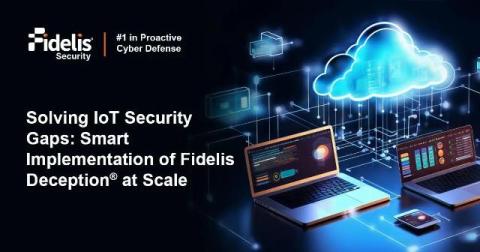
How to Scale Fidelis Deception Across Growing IoT Networks: A Practical Guide

As IoT deployments continuously expand and evolve, traditional signature-based defenses struggle to keep pace, leaving Zero-Day exploits and APTs free to roam across billions of devices. Without deep visibility into device traffic and real-time behavioral analysis, security teams are blind to stealthy attacks hiding in plain sight—risking data theft, service disruption, and costly compliance breaches.

Unmasking Security Debt: The Hidden Threat to Your Business

We often look to the horizon for the next security threat, but a significant challenge to your business is likely hiding in plain sight: Security Debt. This isn’t about predicting future vulnerabilities, it’s the consequences of past decisions. Across the industry, security leaders are grappling with security debt—a hidden cost stemming from years of opting for quick fixes, patching together systems, and deferring crucial maintenance.