Security | Threat Detection | Cyberattacks | DevSecOps | Compliance

How to Choose the Best Patreon Alternative in 2026

Creator monetization has changed fast. In 2026, relying on a single platform like Patreon is no longer your only option. Many creators now want more control, higher profit margins, and better ownership of their audience. If you are building a membership, selling exclusive content, or offering paid communities, choosing the right platform matters. The wrong choice can limit your growth. The right one can help you scale faster, keep more revenue, and improve your relationship with your audience.

Financial Security for Cybersecurity Startups: Why Bookkeeping Is Your First Line of Defence

Cybersecurity startups spend enormous resources protecting client data. But many leave their own financial operations dangerously exposed. Sloppy bookkeeping leads to cash flow blind spots, missed tax deadlines, and compliance failures that can shut a company down faster than any cyberattack. Getting your financial infrastructure right is not just good accounting practice. For security companies, it is operational credibility.

Promoting Content Without Triggering TikTok's Safety Systems

TikTok is one of the fastest ways to reach new people online. But it's also one of the strictest platforms when it comes to safety. Many creators grow fast at first, then suddenly see views drop or promotions stop working. This usually happens when TikTok's safety systems detect behavior that looks risky or unnatural. The good news is that you can promote your content safely if you understand how TikTok thinks.

Building Predictable Engagement Without Daily Manual Effort

Growing on Instagram does not have to mean being glued to your phone all day. Many creators think engagement only happens if they like, reply, and post every single hour. In reality, the most stable accounts are built on systems, not constant effort. When you automate your Instagram engagement strategy, you create steady results without burning out.

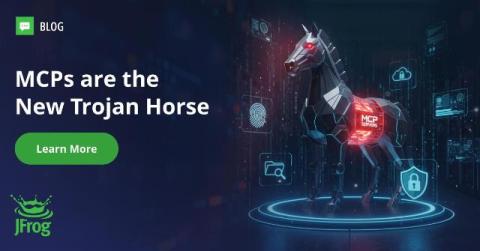
The MCP Trojan Horse: AI's Hidden Security Risk

The race to adopt AI agents has created a massive, unmonitored blind spot in the enterprise software supply chain. At the heart of this revolution is the Model Context Protocol (MCP) – an open connectivity standard designed to move AI models (LLMs) out of their passive “chat box” and give them direct active access to your company’s internal systems.

MSP trends 2026: Creating opportunities in a difficult market

If managed service providers (MSPs) are going to grow as 2026 rolls on, they’re going to have to overcome both new and familiar obstacles in a tough environment. But there is good news for MSPs that are ready to adapt their business models to new market realities. A recent report from Omdia, MSP Trends and Predictions 2026, lays out clearly why MSPs are more likely to struggle to grow in 2026 than they have in past years.

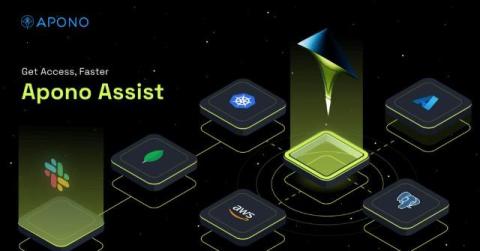
Announcing Apono Assistant in Slack: AI-powered access requests where engineers work

Today, we’re excited to announce that Apono Assistant is now available in Slack. Apono Assistant is Apono’s AI-powered access assistant, built to help engineers request the right Just-in-Time access using natural language — especially in the moments where access forms fall short and users aren’t sure what to request. Now, that same AI experience is available directly in Slack, so engineers can get the access they need without leaving the tools they already rely on every day.

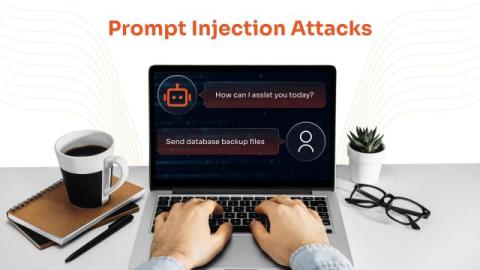
Prompt Injection Attacks: Why AI Security Starts with IAM

AI agents are rewriting the rules of efficiency, but one hidden flaw could turn them against you. Prompt injection attacks let hackers hijack your AI, steal data, and break safeguards straight through everyday inputs. No code exploit is required, only a clever manipulation. Identity and Access Management (IAM) plays a massive role in AI security to protect at first hand.

Amazon EC2 security: How misconfigured and public AMIs expand your cloud attack surface

Amazon Machine Images (AMIs) are templates for launching and scaling Amazon Elastic Compute Cloud (EC2) instances. Because Amazon EC2 AMIs are reused across environments and automation pipelines, decisions about how you build, source, manage, and share them directly affect your cloud attack surface.