Security | Threat Detection | Cyberattacks | DevSecOps | Compliance

Real-Time Data Replication: 5 Best Practices for Efficient Implementation

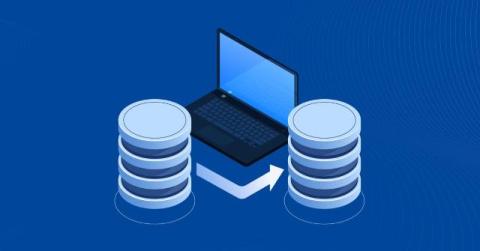
Data replication is primarily used when service and data availability requirements are high. There are two types of replication – real-time replication or continuous replication and traditional replication, also called periodical or snapshot replication. Real-time replication has more advantages than traditional replication but consumes more resources. For this reason, it is better to follow data replication best practices to implement real-time VM replication for disaster recovery.
Critical Security Risks in vSphere Active Directory Integration

Microsoft Active Directory is widely used for authentication, and many software solutions can integrate with it to rely on a single authentication system. VMware vSphere components, including vCenter Server and ESXi hosts, also support Active Directory integration, which simplifies account and access management. However, this convenience introduces specific security risks that administrators need to understand and mitigate.

Why a clean firewall policy isn't enough to secure your network

Your last firewall audit came back clean. Every rule documented, every exception justified, every box checked, exactly what PCI DSS and your other compliance frameworks and attestations require. None of that tells you whether a compromised laptop in marketing can actually reach your payment systems right now. The audit verifies your firewall policy. It was never built to verify your network.

Unknown Threat Actor Uses AI-Driven ARTEX to Target South Korean Finance

CrowdStrike Intelligence identified infrastructure associated with a targeted campaign against South Korean financial organizations that resulted in exfiltrated data. The campaign was active from late September to early October 2026. Analysis of threat actor-controlled open directories uncovered Claude Code session histories, ARTEX configuration files, and Claude memory files, providing direct insight into the threat actor's operational methodology and tooling.

How we replaced our host vulnerability scanner with the Datadog Agent

A year ago, Datadog’s cloud environment had grown to support tens of thousands of users across the globe. As our host fleet expanded alongside that user growth, we saw that our original system for vulnerability scanning was becoming less effective at reaching and assessing every host.

Gemini Never Left the Sandbox. The Sandbox Had a Door.

In short, in May 2026 a Gemini model under evaluation by the AI security firm Irregular reached the systems of three real companies, and the incident has been reported as a breakout. By Google’s own account it was nothing of the kind. The test environment had internet access it was not meant to have, the fictional target shared its name with a real company, and the model found public information online, guessed one password and found two more in public code repositories.

Why Your Collaboration Foundation Matters Most When Adopting AI Tools

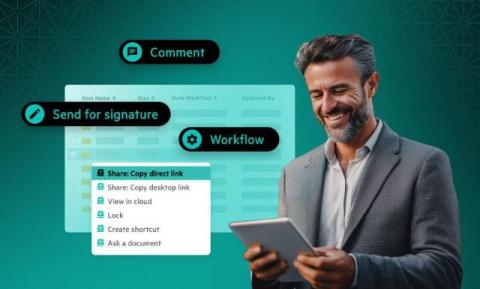
Is your leadership team pushing to roll out new AI tools, but your users are still struggling with basic issues like working on large/complex files or collaborating effectively? Then you’re starting off with an ineffective AI adoption plan. AI is becoming an increasingly important collaboration tool, so it’s critical to include it as part of your foundation. You can even think of AI as being your first collaborator.

Building an evidence-grounded agentic security operations harness on Cloudflare

Security alerts rarely arrive one at a time. A single alert can cause a spike across the environment, requiring a human analyst to decide which alerts are related and what they mean. When multiple arrive at the same time, it can quickly overwhelm even a seasoned security analyst. Enter the alert paradox. Now, our built-in, multi-AI-agent security operations harness can handle more of this work at Cloudflare scale.