What does Agile have to do with improving security? A lot! Explore highlights from Agile2024, including technical health, productive meetings, and addressing shadow IT.
APIs are increasingly becoming the target of choice for attackers. According to the key findings stated in the 2024 Gartner Market Guide for API Protection, "APIs — especially shadow and dormant ones — are causing data breaches among organizations that, on average, exceed the magnitude of other breaches.
In this episode of Trust Issues, we dig into the recent the global IT outage caused by a CrowdStrike software update, which impacted millions of Microsoft Windows endpoints and disrupted many sectors. This “black swan” event highlights, among other things, the importance of preparedness, adaptability and robust crisis management.
Before Crowdstrike caused the world to melt down for a few days, the talk of the security town was a recent OpenSSH vulnerability (CVE-2024-6387). Dubbed by its celebrity name regreSSHion, it is a Remote Code Execution vulnerability in some versions of OpenSSH discovered by the Qualys Threat Research Unit on July 1, 2024. Specifically, versions of OpenSSH compiled against the glibc library, which is to say “probably most of them”, were impacted.
In this version of the Hacker’s Playbook Threat Coverage round-up, we are highlighting attack coverage for newly discovered or analyzed threats by the SafeBreach Labs team. SafeBreach customers can select and run these attacks and more from the SafeBreach Hacker’s Playbook to ensure coverage against these advanced threats. Additional details about the threats and our coverage can be seen below.
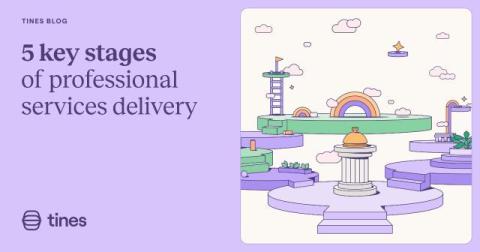
In this blog post, Kelsey Sevening, Sr. Manager, Project Management at Tines shares what customers can expect when engaging with our professional services team to help them reach their goals faster. When it comes to investing in professional services, the quality of the experience can vary widely. While some customers might have exceptional experiences and others less so, most find themselves somewhere in the middle.
Over the past few years, ransomware attack rates and ransom amounts have climbed so significantly that the cyber attack has broken out of the IT and security community to capture headlines around the world. In early May 2021, a suspected Russian hacking group took Colonial Pipeline — which provides 45% of the East Coast’s supply of gasoline, diesel fuel, and jet fuel — offline for more than three days in an attack that made ransomware a household word.
Cybersecurity teams across all disciplines, including vulnerability management, are challenged to move faster than ever before. Whether it’s responding to a security incident, finding a new vulnerability, or stopping an attack, speed is at a premium.
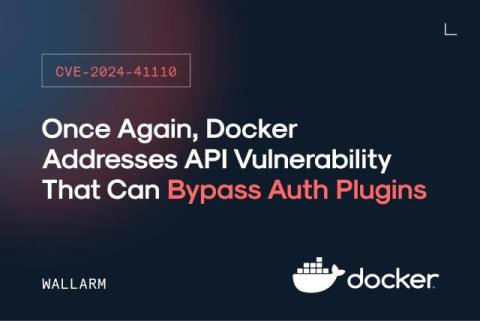
A significant vulnerability (CVE-2024-41110) was recently discovered in Docker Engine version 18.09.1.Although the issue was identified and fixed in 2019, the patch did not apply to other major versions, resulting in regression. The vulnerability was assigned a CVSS score of 10 (critical).
Effective data governance has become a cornerstone of success in today's rapidly evolving life sciences landscape. From ensuring regulatory compliance to enabling secure collaboration, a robust data governance strategy is essential.