The latest News and Information on Data Security including privacy, protection, and encryption.
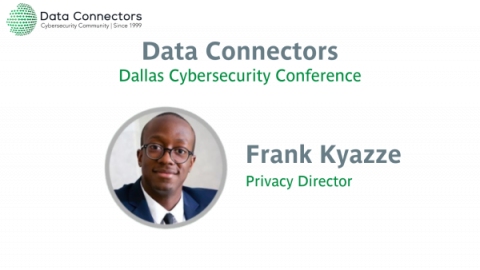
Recently, we caught up with Frank Kyazze, Privacy Director here at Kintent, to chat about his experience at the Data Connectors conference in Dallas last month. Frank had the opportunity to serve on the “Protecting Against Cyber Attacks” discussion panel while in attendance. Frank took part in the panel, discussing how now more than ever, it is imperative for organizations to be vigilant against bad actors.
In the early days of internet security, an access-centric security model made sense. Access lists on routers were complemented by firewalls and, later, intrusion detection systems. Given the processing capacity available at the time, this was absolutely adequate and appropriate for protecting a website, even with e-commerce. But that was the 1990s, and the internet has become so much more than websites with some shopping capabilities. Now, it’s the backbone of our society.
The threat landscape in IT is ever-evolving, with new risks arising practically daily. Trying to anticipate the next type of threat can feel a little like playing whack-a-mole. Instead, IT teams are focusing on vulnerability management: reducing the opportunities for hackers and other bad actors to find a weakness in cyber defenses. Vulnerability management is an iterative process that allows companies to proactively defend valuable assets, no matter how the threat landscape changes.
Despite the increase in cloud adoption, many organizations are still hesitant to move their confidential and highly sensitive data to the cloud. It’s not uncommon for companies to have concerns about being able to maintain the privacy, integrity, and security of their data when they migrate to the cloud or leverage cloud services. This is especially true for organizations that operate in highly regulated industries, such as healthcare, financial services, insurance, and the public sector.
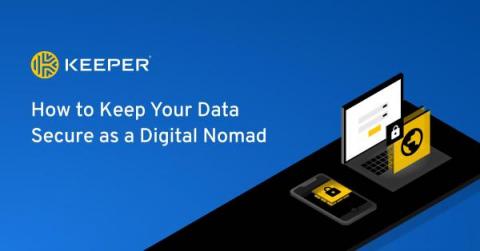
Now that remote work has become the norm, employees are taking advantage of this opportunity to travel the globe and work from anywhere in the world—as long as it’s within company policy. With the rise of digital nomads, it is important that you know how to keep yourself safe from cyberattacks when working remotely from city to city. This blog will help you understand what you need to do to secure your data as a digital nomad.
With the rise of cloud-based applications, data loss prevention (DLP) has become an increasingly important part of information security. DLP refers to the policies and technologies used to prevent sensitive data from being lost or stolen. In the context of SaaS, this can include both the security measures implemented by the SaaS provider and the steps taken by the customer to protect their data.