If you want to avoid these NIS2 mistakes and build a clear compliance roadmap, visit vistainfosec.com. Our experts help organisations identify gaps and get audit ready without guesswork.
Over the past decade, the global healthcare sector has undergone a sweeping digital transformation. Electronic Health Records (EHRs) moved to the cloud, hospitals adopted remote telemetry systems, pharmacies automated workflows, and AI-powered diagnostics entered day-to-day clinical practice. The result is a faster, more connected, and more data-rich healthcare ecosystem. But this connectivity has a cost.
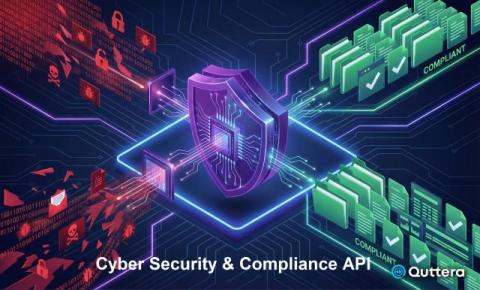
New API capabilities and AI-powered Threat Encyclopedia eliminate manual audit preparation, providing real-time compliance evidence and instant threat intelligence.
If you’re unsure where your organisation stands under NIS2, speak with our experts at VISTA InfoSec. We’ll help you assess your entity classification and guide you through compliance step by step.
The NIS2 Directive is Europe’s new, upgraded cybersecurity law designed to strengthen the digital resilience of essential and important businesses. In this video, you’ll learn what NIS2 is, why it was introduced, which sectors it impacts, and how companies can prepare for compliance to avoid penalties.
Many organizations focus on passing audits and earning certifications, believing those milestones signal safety. Yet the real world tells a different story. Breaches occur in environments that meet requirements on paper because attackers look for gaps that those standards overlook. Thus, leaders who want real protection need to shift their thinking. Instead of viewing compliance as the finish line, it should serve as a foundation.
It starts with a simple audit. Your legal team checks Business Associate Agreements after OCR’s tracking technology guidance. Google Workspace BAA: signed. Analytics platform BAA: signed. CRM and marketing tools: covered. Then the question that changes everything: Do we have BAAs for the tracking pixels on our patient pages?
In finance, protecting customer data isn’t just good practice. It’s a regulatory mandate. The SEC’s Regulation S-P (Privacy of Consumer Financial Information) requires financial firms to guard against unauthorized access, maintain robust data-disposal practices, and have a formal incident response program. As the threat landscape has evolved, so has the regulation. This all means one thing: complacency is no longer an option.
PCI compliance has never been about passing a single audit and forgetting about it until next year. In our recent PCI DSS 4.0 session, author Branden R. Williams explained why point-in-time assessments create a false sense of security. Passing a compliance report doesn't mean you'll still be compliant two days later if something changes. Configuration drift happens. Systems change. Sometimes it's accidental. Other times, organizations deliberately configure things to pass an assessment, then revert to their old ways afterward.
The Office of the Australian Information Commissioner’s (OAIC) 2025 approach places more weight on how systems behave than how policies read. It reflects a broader shift that has been building for some time. APP 11, in particular, now rests on understanding the small, routine movements inside modern web and mobile environments. It’s because the environment drift rarely announces itself. New endpoints appear, SDK permissions adjust, and minor code changes influence how data is handled.